

Recognizing the Critical Signs of Flood Damage Cleanup in Central Florida Properties
Flooding caused by overland water runoff, swollen retention basins, or river cresting introduces highly contaminated Category 3 blackwater into your property. Unlike sanitary indoor plumbing breaks, overland floodwater carries thick silt, agricultural fertilizers, automotive oils, chemical residues, and dangerous bacterial pathogens like E. coli and coliform. When storm surge or swollen retention ponds push water past exterior door thresholds and through weeping mortar joints, the contamination is immediate and severe. Every porous building material inundated by floodwaters—including gypsum drywall, kraft-faced fiberglass insulation, baseboards, engineered wood flooring, and carpet padding—absorbs biological contaminants deep into its matrix. These saturated materials cannot be sanitized or dried in place; they must be methodically cut away, bagged, and safely hauled off-site. Left unaddressed for even 24 hours in Central Florida's sweltering climate, floodwaters trigger rampant microbial colonization, rot structural floor plates, and emit noxious odors that penetrate untouched upstairs living areas. Professional flood damage cleanup orlando services provide the specialized heavy-duty pumping, mud extraction, biosanitization, and commercial dehumidification necessary to neutralize these hazardous environments and restore residential and commercial foundations to sanitary dry standards.
Primary Moisture Triggers & Structural Vulnerabilities in Orlando
In Orlando and across Central Florida, destructive flooding events are primarily driven by severe tropical weather systems, stalled convective thunderheads, and the region's unique hydrology. During major hurricanes and tropical storms, inland precipitation often exceeds 15 to 20 inches in less than 48 hours. Low-lying communities situated along the Econlockhatchee River basin in East Orange County (such as Alafaya, Bithlo, and Wedgefield) experience intense overland flooding when natural drainage channels become choked with storm debris. Similarly, areas adjacent to the St. Johns River corridor near Sanford, Lake Harney, and Shingle Creek in Osceola County experience delayed riverine flooding, where water levels continue rising for days after the rain stops as upstream wetlands drain north. Furthermore, rapid urban development and extensive asphalt coverage across Greater Orlando regularly overwhelm municipal stormwater retention ponds, causing localized flash flooding that pushes murky water into nearby ground-level subdivisions.
Need Emergency Flood Damage Cleanup in Orlando?
Our live emergency dispatchers answer 24 hours a day, 7 days a week. We deploy certified technicians with specialized moisture mapping and drying equipment immediately.
Advanced Diagnostic Inspection, Thermal Imaging & Moisture Mapping
Our certified Category 3 remediation technicians execute a rigorous hazard and floodline assessment upon arrival at your flooded Orlando property. We survey the building's exterior to establish baseline structural integrity and ensure the property is clear of live electrical hazards, gas leaks, and displaced wildlife. Using non-destructive thermal imaging cameras and deep-penetrating pin meters, our team maps the exact high-water perimeter, documenting water marks on exterior cladding, interior door jambs, and framing studs. We take high-resolution, time-stamped photographs of floodlines against measuring rods to provide undeniable proof-of-loss for FEMA NFIP and private flood insurance adjusters. Our specialists test slab saturation depth and evaluate structural load-bearing walls before initiating muck-out operations.
Step-by-Step Protocol for Professional Flood Damage Cleanup
Hazard Mitigation & PPE Quarantine
Technicians secure electrical power, disconnect backfed circuits, and establish biocontainment barriers wearing OSHA-mandated Level C personal protective equipment, respirators, and impermeable suits.
Submersible Trash Pumping & Silt Extraction
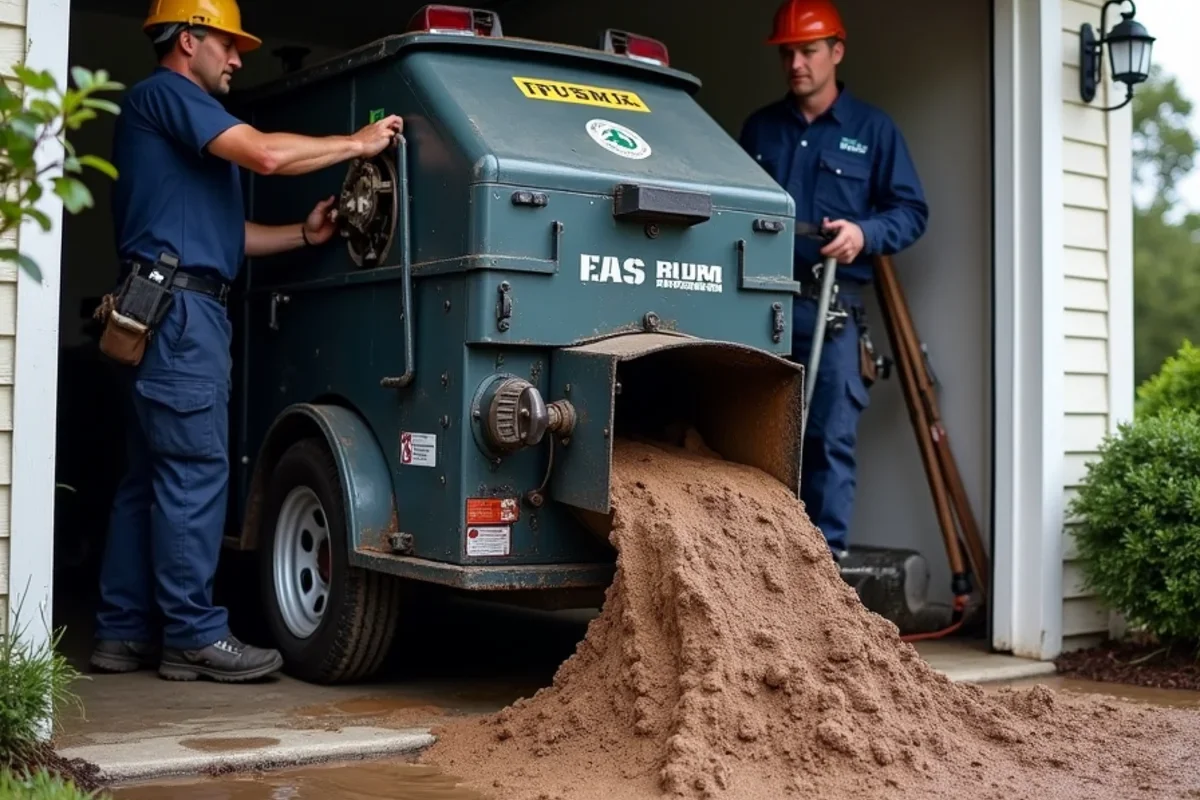
We deploy heavy-duty commercial trash pumps and high-vacuum extraction units to pump out standing floodwater, followed by manual shoveling to clear thick mud and river silt deposits.
Contaminated Material Demolition & Flood Cuts
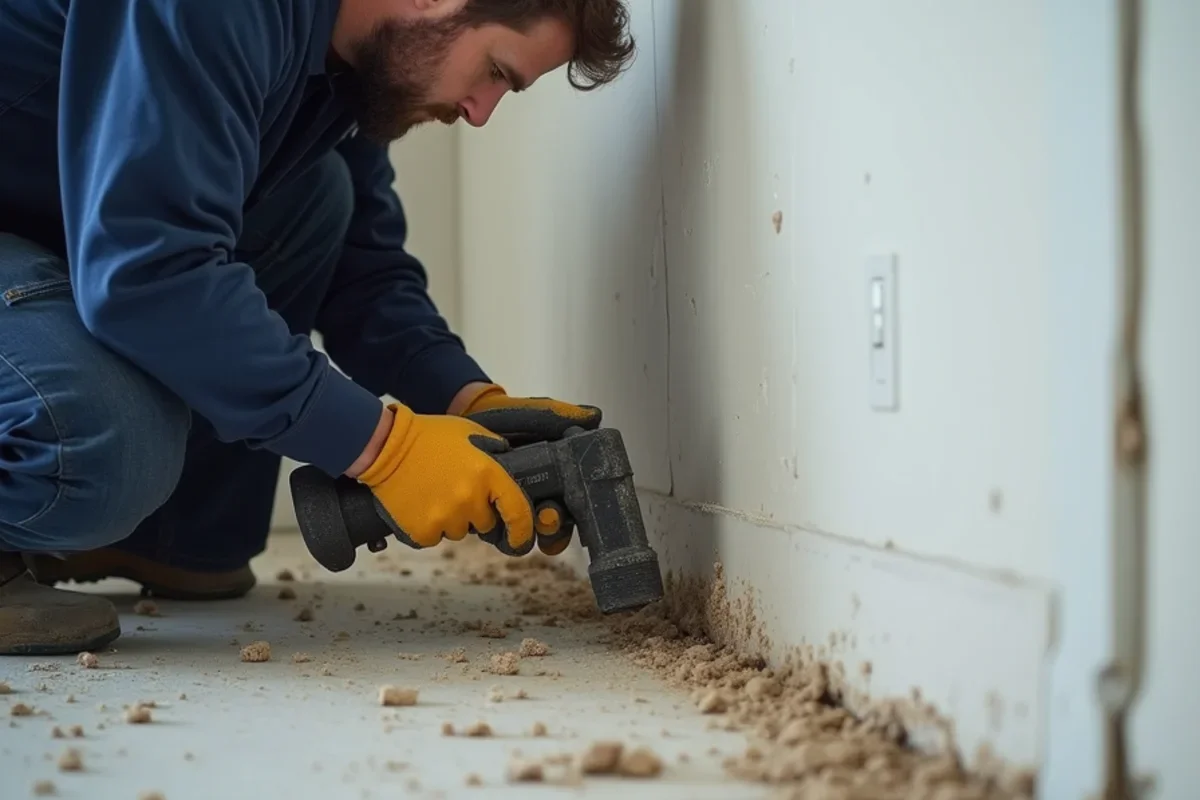
Crews perform precision horizontal flood cuts through drywall and insulation 12 to 24 inches above the high-water line, stripping out wet baseboards, saturated cabinetry, and ruined flooring.
High-Pressure Slab Washing & Bio-Decontamination
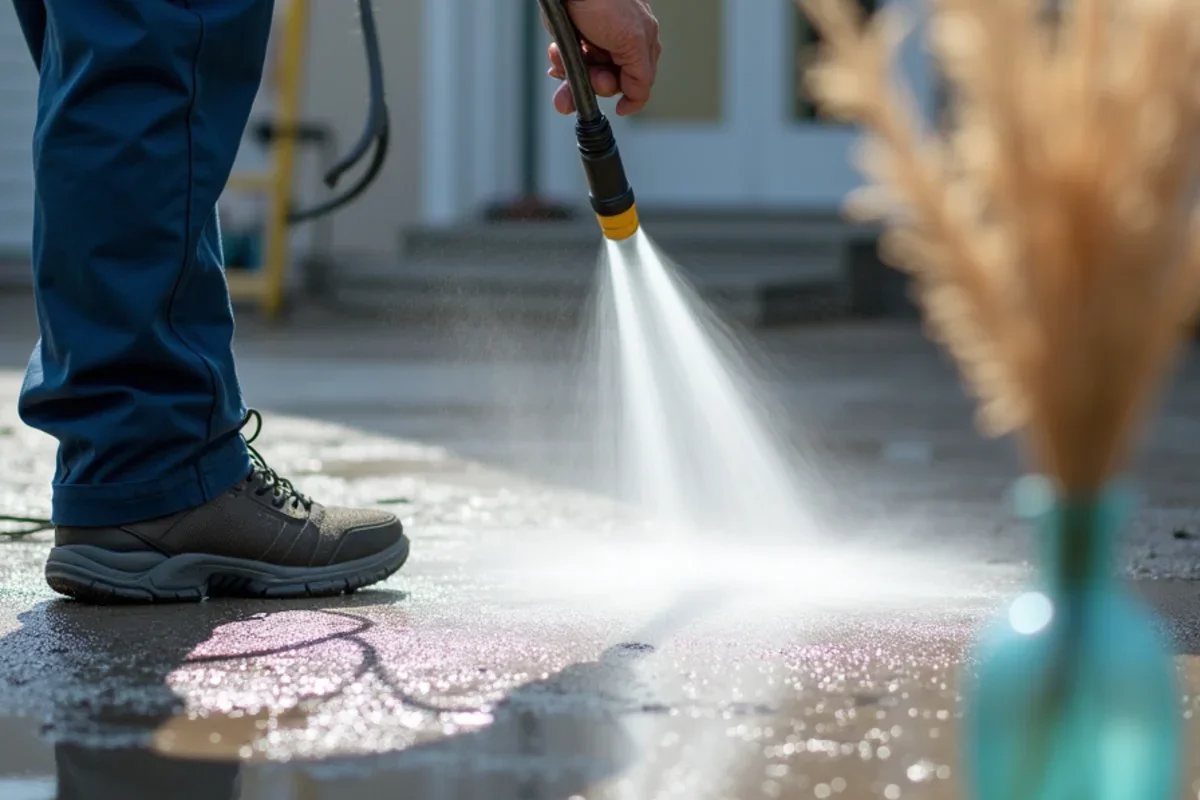
We pressure-wash bare concrete slab floors with surfactant cleaners to purge sediment from pores, followed by electrostatic application of EPA-registered, hospital-grade botanical disinfectants.
Deep Structural Cavity Dehumidification
Industrial Low-Grain Refrigerant (LGR) dehumidifiers, high-capacity desiccant dryers, and commercial air movers are positioned to pull bound water out of saturated wood framing and masonry sill plates.
Moisture Mapping Clearance & Insurance Dossier
We monitor daily psychrometric drying curves until structural framing reaches verified equilibrium moisture content (under 15%), finalizing a comprehensive line-item proof-of-loss package for your flood adjuster.
Psychrometric Drying Timelines & Equipment Deployment
Restoring structures after Category 3 flood events requires specialized industrial equipment engineered to handle heavy sediment and hazardous bio-loads. We deploy high-displacement submersible trash pumps capable of passing two-inch solid debris, paired with truck-mounted vacuum extractors that evacuate thousands of gallons of slurry per hour. Following bulk silt removal, our technicians utilize commercial HEPA 500 air scrubbers equipped with activated carbon filtration stages that run continuously under negative pressure, capturing airborne bio-contaminants, dust, and odor molecules. Structural drying is driven by industrial Low-Grain Refrigerant (LGR) dehumidifiers and desiccant units that maintain ultra-low specific humidity (grains per pound) in saturated spaces. High-velocity axial air movers deliver 3,000 CFM of laminar airflow across exposed sill plates and framing studs, maximizing evaporation rates while digital hygrometers and penetrating resistance meters track drying progress against established dry standards.

Insurance Documentation, Line-Item Scopes & Florida Compliance
Navigating flood insurance claims in Florida requires specialized documentation because flood losses are separated from standard property hazard policies. Overland flood damage is governed by the National Flood Insurance Program (NFIP), administered by FEMA, or by surplus lines private flood carriers. Standard homeowners insurance strictly denies rising water claims. Our team specializes in flood claim compliance, compiling thorough FEMA-ready documentation packets that include certified high-water mark photographs, room-by-room square footage calculations of flood cuts, structural framing moisture logs, and itemized Xactimate estimates adhering to regional pricing guidelines. In accordance with Florida consumer protection statutes and Senate Bill 2-A, we do not require Assignment of Benefits (AOB) agreements or perform unlicensed public adjusting; we work directly alongside you and your insurance adjuster to ensure every emergency muck-out and drying cost is fully documented and accounted for.
Frequently Asked Questions About Flood Damage Cleanup
Specific answers addressing timelines, costs, insurance coverage, and Florida regulations.
Ready to Begin Flood Damage Cleanup?
Connect directly with our Orlando dispatch desk. We arrive equipped to stabilize your property and stop water damage from spreading.