

Recognizing the Critical Signs of Storm & Hurricane Damage Restoration in Central Florida Properties
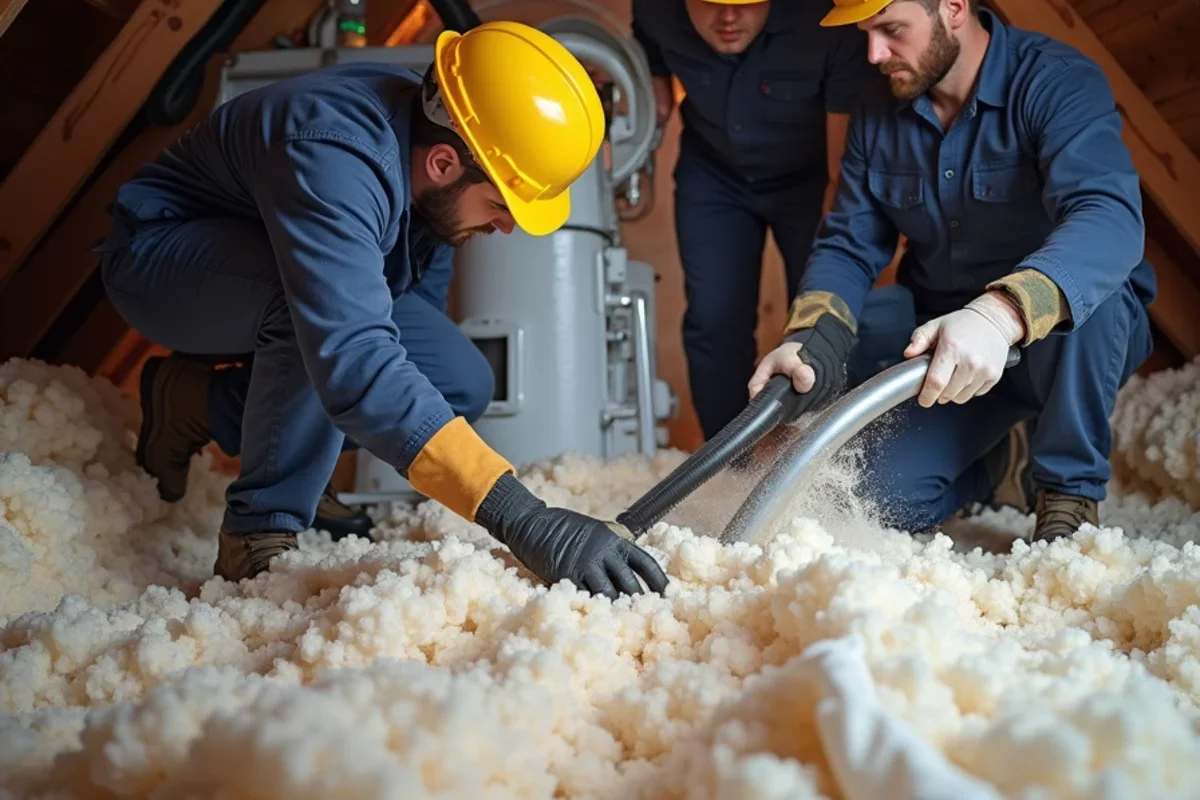
Severe tropical weather, convective microbursts, and hurricanes inflict violent, multi-point trauma on Central Florida properties. Gale-force wind gusts exceeding 75 to 100 miles per hour tear asphalt shingles from roof decks, peel away drip edges, shatter window assemblies, and blast rain horizontally into soffit vents and siding seams. When storm winds compromise your roof or exterior envelope, pressurized torrential rainwater penetrates the attic space within seconds. Water rapidly saturates deep layers of blown-in fiberglass or cellulose insulation, transforming lightweight thermal barriers into thousands of pounds of soggy dead weight resting directly on fragile ceiling drywall. Without immediate emergency intervention, waterlogged ceilings sag, crack along taped seams, and crash into living rooms below, destroying interior furnishings and compromising electrical circuitry. Storm damage restoration orlando services provide the rapid-response mobilization, industrial attic insulation extraction, structural roof tarping, and commercial dehumidification necessary to arrest interior water migration and stabilize your residential or commercial structure against secondary decay.
Primary Moisture Triggers & Structural Vulnerabilities in Orlando
Orlando and Central Florida occupy a vulnerable geographic corridor exposed to Atlantic and Gulf tropical systems throughout Florida's official hurricane season (June 1 through November 30). Even inland metropolitan communities across Orange, Seminole, and Osceola counties endure hurricane-force gusts during major storms such as Charley, Irma, and Ian. The region's dense urban tree canopy—dominated by mature Water Oaks, Laurel Oaks, and Longleaf Pines—presents severe storm hazards. Saturated sandy soils during tropical downpours weaken shallow root systems, causing massive tree limbs or entire trunks to fall onto residential roofs, crushing structural rafters and puncturing roof sheathing. Furthermore, torrential summer thunderstorms generate convective microbursts and wind-driven rain that exploit aging architectural shingles, deteriorated valley flashing, and poorly sealed gable vents, funneling gallons of rainwater directly into residential interiors.
Need Emergency Storm & Hurricane Damage Restoration in Orlando?
Our live emergency dispatchers answer 24 hours a day, 7 days a week. We deploy certified technicians with specialized moisture mapping and drying equipment immediately.
Advanced Diagnostic Inspection, Thermal Imaging & Moisture Mapping
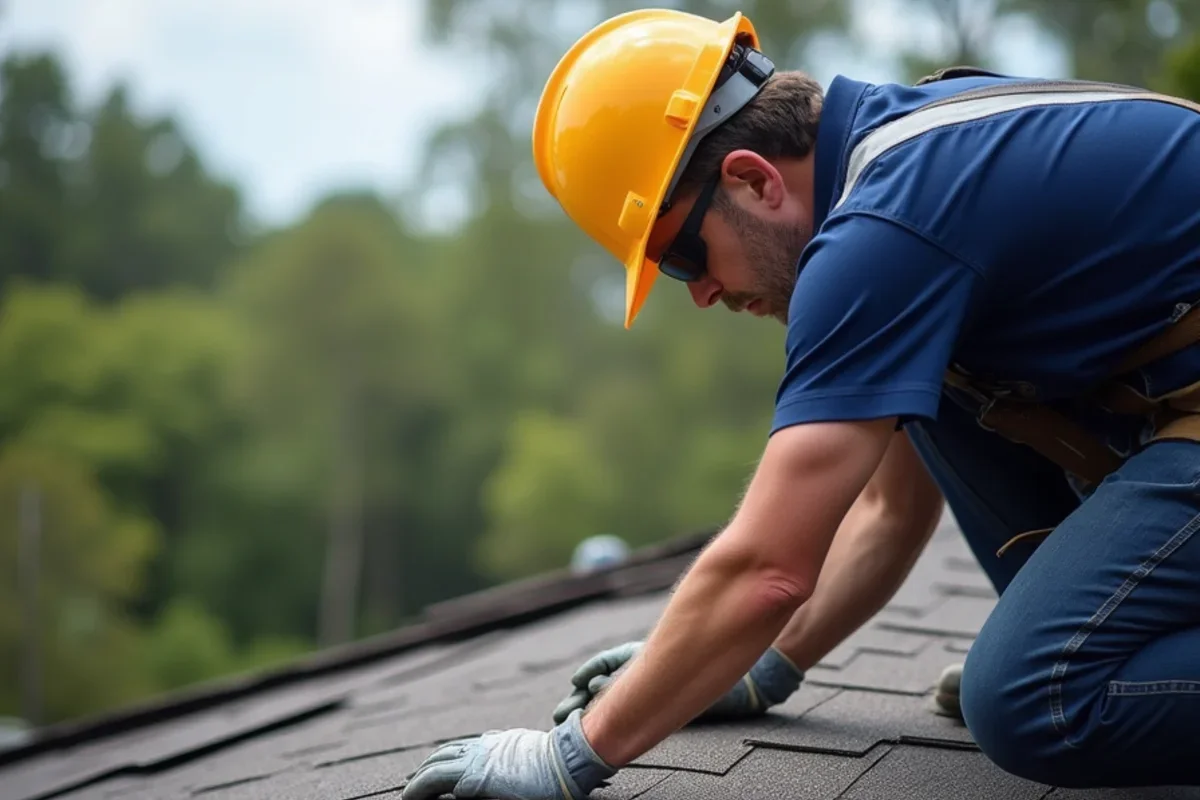
Our certified storm restoration specialists execute a systematic exterior-to-interior envelope inspection upon arrival at your storm-impacted property. Technicians first perform an exterior structural hazard triage, screening for downed power lines, compromised electrical service drops, structural rafter fractures, and loose overhead tree limbs. Using high-resolution aerial drone cameras and safety-harnessed roof walks, we inspect the entire roof deck, documenting missing shingles, torn underlayment, crushed vents, and compromised valleys with high-resolution, time-stamped photographs. Moving inside, technicians evaluate attic spaces and ceiling assemblies using FLIR infrared thermal imaging cameras and deep-probe moisture meters to locate saturated insulation pockets, mapping water pathways down structural wall studs and framing plates to establish a precise mitigation perimeter.
Step-by-Step Protocol for Professional Storm & Hurricane Damage Restoration
Hazard Triage & Roof Debris Clearing
Technicians secure electrical hazards and carefully remove fallen tree limbs, shattered branches, and roof debris obstructing emergency mitigation access.
Engineered Heavy-Duty Roof Tarp Installation
We secure 10-mil UV-resistant woven tarps over roof breaches, wrapping edges around 1x2 wooden furring battens screwed directly into decking to withstand subsequent wind.
Industrial Attic Insulation Vacuum Extraction
Crews deploy high-output gas-powered insulation vacuums to evacuate saturated cellulose and fiberglass directly through 6-inch flex hoses into exterior disposal bags.
Controlled Ceiling Drainage & Shoring
Where water weight threatens ceiling integrity, technicians execute controlled relief puncture draining and install temporary structural shoring to protect interior finishes.
High-Volume Extraction & Antimicrobial Treatment
We extract pooled water from subfloors, apply EPA-registered botanical antimicrobials to prevent mold spore germination, and set up negative-air HEPA scrubbers.
Psychrometric Drying & Insurance Scoping
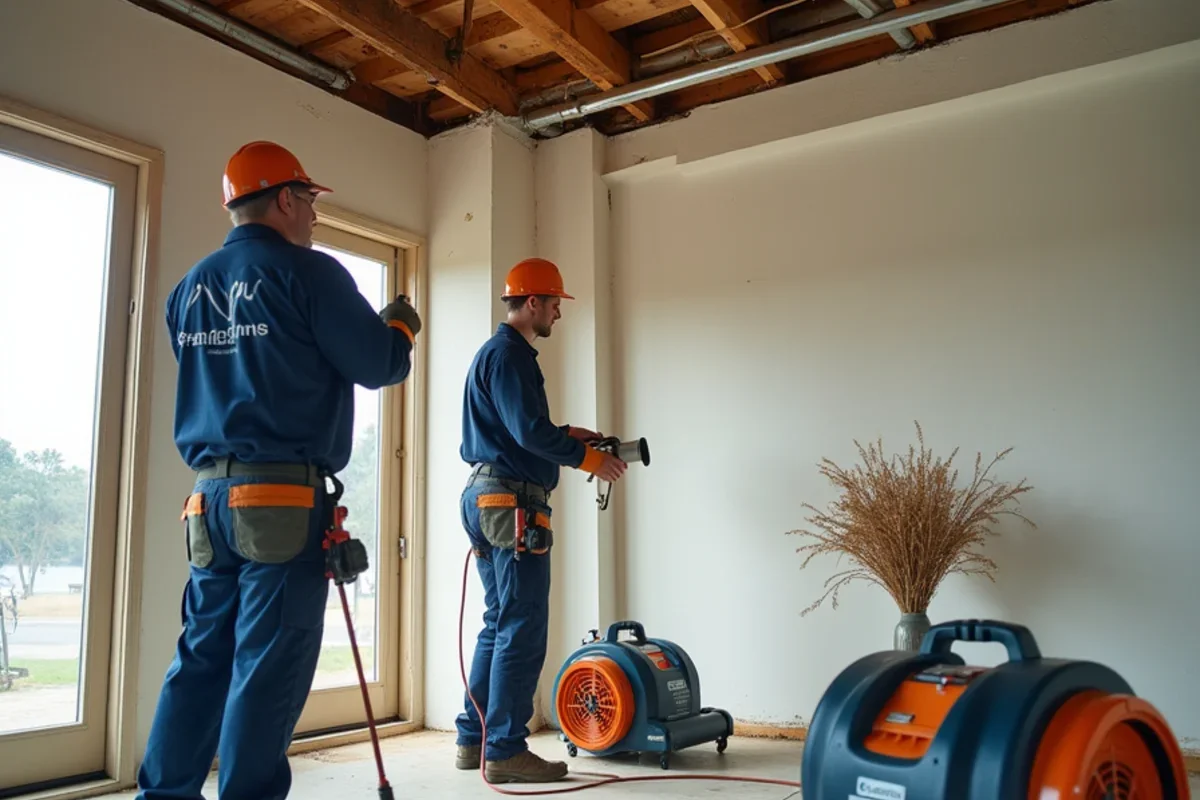
Industrial LGR dehumidifiers and high-velocity axial air movers dry ceiling joists and wall studs to standard equilibrium, while we finalize an itemized Xactimate claim dossier.
Psychrometric Drying Timelines & Equipment Deployment
Managing post-hurricane water intrusion requires specialized heavy equipment capable of operating under severe environmental conditions. We deploy 23-horsepower commercial insulation removal vacuums that evacuate thousands of pounds of saturated attic insulation directly into exterior filtration containment bags, removing trapped moisture reservoirs without spreading dust or contaminants through living spaces. For emergency weatherproofing, we utilize commercial-grade 10-mil reinforced polyethylene tarps secured with screwed batten strips rather than temporary sandbags or cinder blocks. Interior structural drying is driven by industrial Low-Grain Refrigerant (LGR) dehumidifiers paired with high-velocity axial air movers generating 3,000 CFM each. These units establish high vapor pressure differentials that pull deeply embedded rainwater out of soaked yellow pine ceiling joists, roof trusses, and concrete floor slabs. Our technicians continuously monitor psychrometric conditions using calibrated thermo-hygrometers, tracking grains per pound (GPP) until moisture levels return to certified dry baseline standards.

Insurance Documentation, Line-Item Scopes & Florida Compliance
Filing a hurricane or storm damage claim in Florida requires detailed, indisputable documentation due to specific legislative timelines and insurance policy stipulations. Under Florida Statute Section 627.70132 and Senate Bill 2-A reforms, property owners must give initial notice of a windstorm or hurricane claim within one year of the loss date. Property policies mandate that owners perform emergency dry-in mitigation immediately to prevent secondary rainwater damage. We specialize in insurance claim support, providing comprehensive documentation packages that clearly separate emergency mitigation (tarping, insulation removal, water extraction, structural drying) from future structural reconstruction. Our packages include high-resolution drone roof photos, detailed attic moisture logs, time-stamped thermal imaging scans, and itemized scopes formatted in Xactimate. We work seamlessly with your insurance carrier's adjuster to ensure all emergency mitigation activities are fully substantiated and reimbursed.
Frequently Asked Questions About Storm & Hurricane Damage Restoration
Specific answers addressing timelines, costs, insurance coverage, and Florida regulations.
Ready to Begin Storm & Hurricane Damage Restoration?
Connect directly with our Orlando dispatch desk. We arrive equipped to stabilize your property and stop water damage from spreading.