
Recognizing the Critical Signs of Sewage Backup Cleanup in Central Florida Properties
Sewage backups represent the most dangerous and biologically hazardous water intrusion emergencies that a residential or commercial property can experience. Classified under ANSI/IICRC S500 standards as Category 3 blackwater, sewage contains virulent pathogenic microorganisms, including fecal coliform, Escherichia coli (E. coli), Salmonella, Norovirus, Rotavirus, and Hepatitis A, alongside parasitic helminths and protozoa. As wastewater backs up through toilets, shower basins, and slab cleanouts, it releases noxious and flammable sewer gases, primarily hydrogen sulfide (H2S), methane, and ammonia. Contact with contaminated standing water or inhaling aerosolized bio-contaminants creates imminent health risks, including severe gastroenteritis, respiratory distress, and systemic blood infections. Furthermore, raw sewage rapidly penetrates porous flooring, saturates gypsum drywall, and soaks into wooden sill plates, fostering explosive bacterial and fungal growth in as little as 12 to 24 hours. Professional sewage cleanup orlando services provide the certified biohazard containment, dedicated blackwater pumping, controlled material demolition, medical-grade disinfection, and psychrometric structural drying necessary to neutralize biohazards and return your property to sanitary living conditions.
Primary Moisture Triggers & Structural Vulnerabilities in Orlando
Throughout Greater Orlando, residential sewage backup emergencies are primarily triggered by aged underground infrastructure, aggressive local root systems, and intense summer meteorological events. In mature Orange County neighborhoods developed in the 1950s through 1970s—including Pine Hills, Azalea Park, Eatonville, and Conway—residential sewer lines were originally constructed using cast-iron or vitrified clay piping. Over decades, the alkaline Central Florida soil corrodes cast-iron bottoms, while expansive roots from mature Laurel Oaks and Live Oaks penetrate pipe joints, creating dense root balls that trap household grease and toilet paper. Additionally, during Central Florida's torrential summer storm season, excessive rainfall infiltrates municipal sanitary sewer systems through manholes and broken collection mains. This massive stormwater influx overwhelms municipal lift stations, causing line surcharge and forcing pressurized municipal wastewater backwards through residential fixtures at the lowest elevation.
Need Emergency Sewage Backup Cleanup in Orlando?
Our live emergency dispatchers answer 24 hours a day, 7 days a week. We deploy certified technicians with specialized moisture mapping and drying equipment immediately.
Advanced Diagnostic Inspection, Thermal Imaging & Moisture Mapping
Our certified biohazard remediation technicians initiate an exhaustive safety and biohazard triage immediately upon arrival. Wearing OSHA-mandated Level C personal protective equipment—including impermeable Tyvek chemical suits, double nitrile gloves, rubber boots, and full-face HEPA/organic vapor respirators—technicians isolate live electrical power to flooded bathrooms and living areas. We deploy photoionization detectors and gas sniffers to screen for hazardous levels of combustible sewer gas and hydrogen sulfide. Using digital moisture meters and thermal imaging cameras, technicians map the full horizontal spread of blackwater across concrete slabs and determine vertical wicking heights inside drywall partitions and vanity cabinets. Contaminated zones are immediately quarantined to prevent cross-contamination into clean living quarters.
Step-by-Step Protocol for Professional Sewage Backup Cleanup
Airtight Biohazard Isolation & Negative Air
Technicians erect 6-mil polyethylene containment barriers with zipper airlocks and deploy HEPA air scrubbers venting outside to create negative air pressure.
Dedicated Category 3 Blackwater Pumping
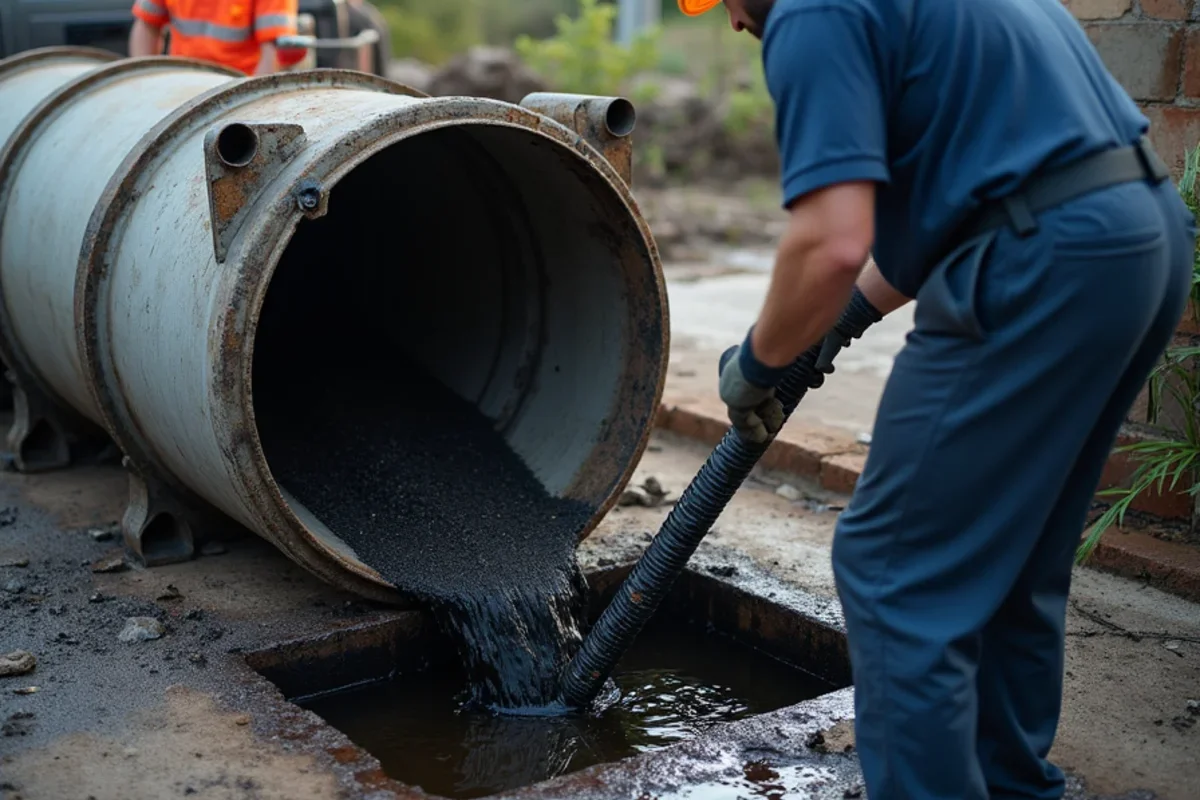
We operate specialized biohazard slurry extractors and diaphragm pumps to remove raw sewage, solid fecal matter, and contaminated water into sealed disposal tanks.
Controlled Removal of Porous Materials
Crews cut away contaminated drywall 12 to 24 inches above sewage watermarks, removing saturated carpet, padding, tack strips, and baseboards into sealed biohazard bags.
Mechanical Scrubbing & Pressure Washing
Exposed framing studs, sill plates, and concrete slabs are mechanically scrubbed with surfactant degreasers to dislodge bio-films and organic particulate.
Hospital-Grade Antimicrobial Decontamination
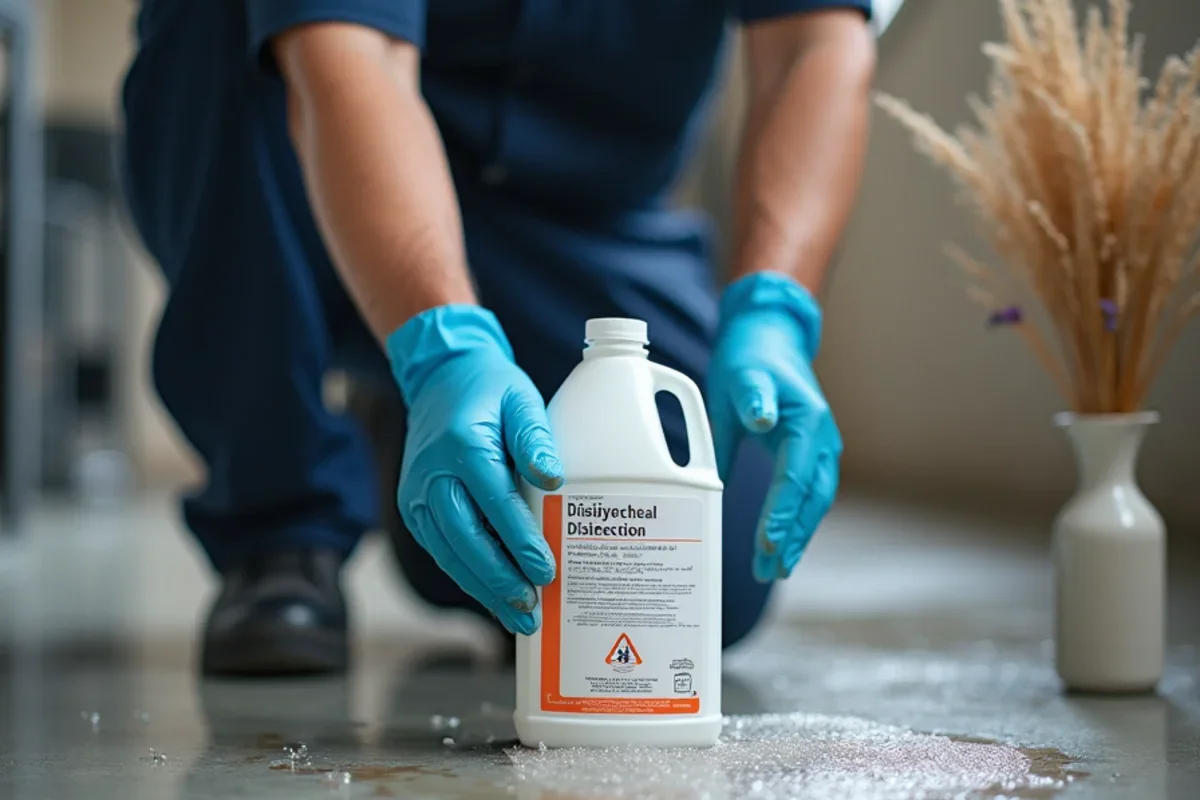
We apply EPA-registered, broad-spectrum botanical biocides and virucides via electrostatic sprayers, eliminating 99.99% of bacteria, viruses, and microbial spores.
Psychrometric Drying & ATP Clearance Verification
Commercial LGR dehumidifiers dry structural framing to baseline equilibrium, followed by ATP bioluminescence swab testing to certify sanitary cleanliness.
Psychrometric Drying Timelines & Equipment Deployment
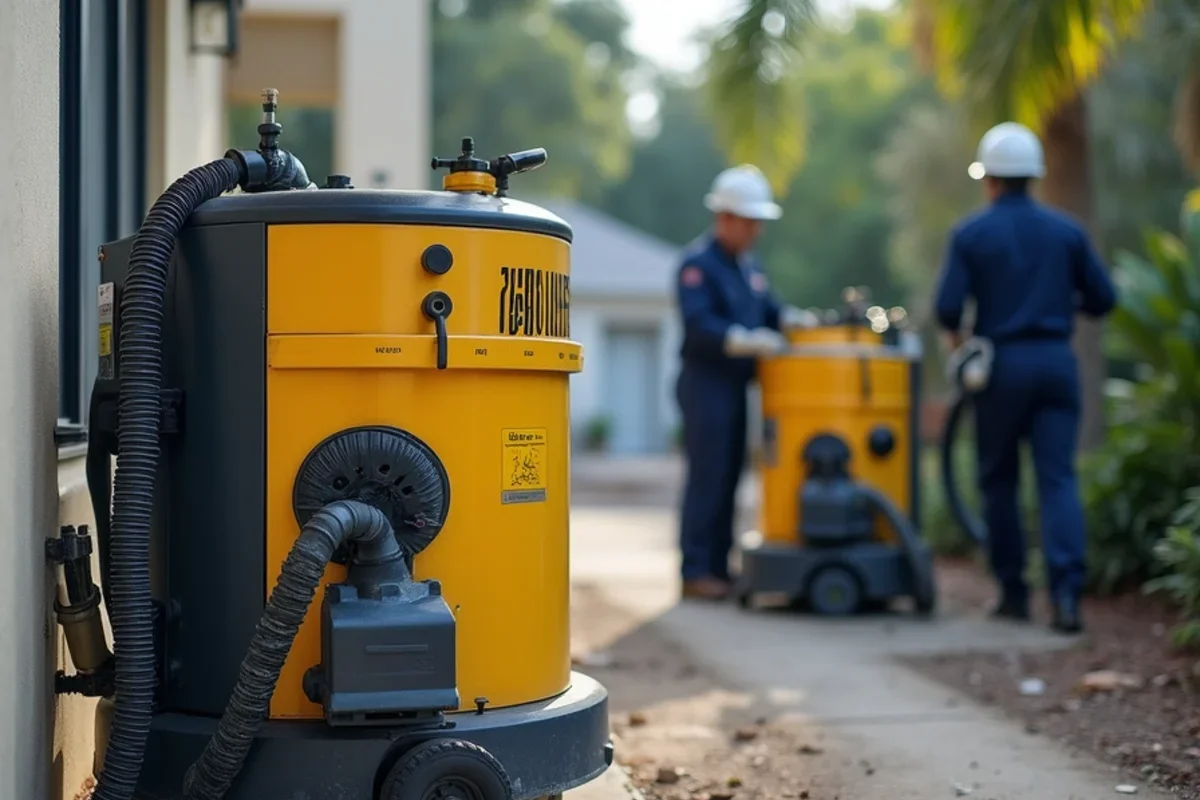
Remediating Category 3 blackwater losses requires specialized biohazard engineering controls and heavy-duty extraction technology. We operate industrial HEPA 500 air scrubbers equipped with four-stage filtration, including pre-filters, DOP-certified 99.97% HEPA media, and activated carbon modules to capture airborne bioaerosols and neutralize noxious sewer gas odors while establishing a minimum of -0.02 inches of water gauge negative air pressure. Bulk liquid extraction is performed using dedicated blackwater waste extractors with sealed containment vessels, preventing aerosolization during disposal. To decontaminate semi-porous concrete slabs and yellow pine framing, our specialists utilize broad-spectrum, hospital-grade EPA-registered botanical antimicrobials (such as thymol-based formulations) that destroy bacterial membranes without releasing caustic synthetic fumes. Psychrometric structural drying is managed with high-efficiency Low-Grain Refrigerant (LGR) dehumidifiers and directed axial air movers, systematically lowering grains per pound (GPP) until moisture levels in wood framing drop below 15%.
Insurance Documentation, Line-Item Scopes & Florida Compliance
Navigating sewage backup insurance claims requires precise technical documentation, as standard Florida homeowners insurance policies (HO-3) frequently restrict or exclude off-premises sewer backup losses unless an explicit Water Backup and Sump Overflow endorsement was purchased. Florida insurance carriers scrutinize sewage claims to determine whether the obstruction originated inside the private residential lateral or within the municipal collection system. Our team prepares comprehensive insurance documentation dossiers formatted in Xactimate, the industry-standard claims software. We supply time-stamped photographs of the backup origin, room-by-room square footage calculations of demolished materials, biohazard disposal manifests, equipment run logs, and ATP surface swab clearance certificates. In strict compliance with Florida consumer protection guidelines and Senate Bill 2-A, we do not utilize Assignment of Benefits (AOB) agreements or perform unlicensed public adjusting; we work cooperatively alongside you and your insurance adjuster to ensure your claim is fully supported by empirical scientific evidence.
Frequently Asked Questions About Sewage Backup Cleanup
Specific answers addressing timelines, costs, insurance coverage, and Florida regulations.
Ready to Begin Sewage Backup Cleanup?
Connect directly with our Orlando dispatch desk. We arrive equipped to stabilize your property and stop water damage from spreading.