

The Crucial Legal Divide: Falling Water vs. Rising Water Under Florida Insurance Policies
Every hurricane and severe storm season in Central Florida exposes a devastating misunderstanding among property owners: the assumption that a comprehensive homeowners insurance policy (HO-3 or HO-6) protects against all forms of water intrusion. In the eyes of Florida insurance law and standard policy contracts, 'water damage' and 'flood damage' are two entirely distinct legal and financial perils governed by completely separate insurance policies.
A standard Florida homeowners insurance policy covers water intrusion that originates from above the ground or from internal plumbing systems, provided the event is sudden and accidental. This includes a branch piercing your roof deck during a thunderstorm allowing rain to pour into the attic, a pressurized copper pipe bursting inside an interior wall, or an upstairs water heater tank failure cascading into first-floor living spaces. In contrast, homeowners insurance policies across Florida universally contain an absolute flood exclusion. Under this clause, any damage caused by water that has touched the ground outside before entering your home is strictly excluded from coverage, leaving homeowners without a separate flood insurance policy entirely on the hook for structural repairs and content replacement.
How FEMA and the NFIP Define a Flood: The Strict Two-Property or Two-Acre Rule
To understand whether your claim falls under flood insurance or standard property coverage, you must understand the federal statutory definition established by the National Flood Insurance Program (NFIP), administered by FEMA. Under federal guidelines, a flood is defined as: 'A general and temporary condition of partial or complete inundation of two or more acres of normally dry land area or of two or more properties (at least one of which is the policyholder's property) from overflow of inland or tidal waters, unusual and rapid accumulation or runoff of surface waters from any source, or mudflow.'
This definition carries monumental implications in Central Florida communities like Kissimmee, Sanford, and East Orlando. During tropical events such as Hurricanes Ian and Nicole, torrential rainfall overwhelmed retention ponds and low-lying drainage basins, causing sheet-flow runoff across roadways and subdivisions. Because the water accumulated on the exterior ground surface and inundated multiple parcels before crossing door thresholds, every dollar of resulting damage was classified as flood damage. If an isolated drainage ditch behind only your property overflows and damages only your structure without affecting adjacent acreage or neighboring parcels, private insurers and the NFIP frequently litigate or dispute the definition. Having independent restoration moisture logs and exterior photographic proof documenting broad surface water elevation is vital to substantiating the loss.
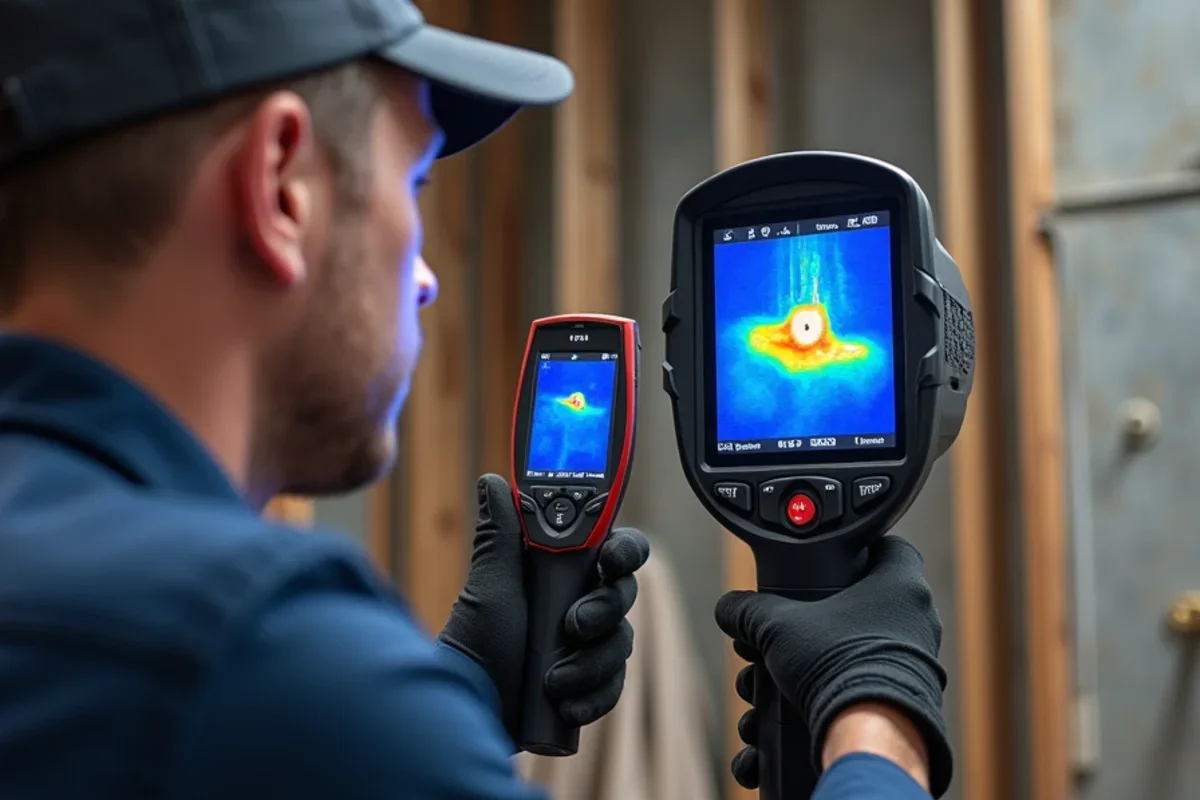
Dealing With an Emergency Water Loss Right Now?
Don't let water damage escalate into structural mold. Our Orlando dispatch team operates 24 hours a day, 7 days a week with live response.
Anti-Concurrent Causation (ACC) Clauses: How Insurers Deny Combined Wind and Water Claims
The most contentious battlefield in Florida property insurance occurs when a hurricane delivers both violent wind and rising floodwaters simultaneously. For example, tropical-force winds rip off roof shingles or blow out a patio door, allowing torrential rain to soak the ceiling and drywall, while simultaneously, adjacent lake levels rise and push six inches of stormwater through the foundation slab. In these mixed-cause events, Florida homeowners frequently discover the brutal reality of the Anti-Concurrent Causation (ACC) clause embedded in their HO-3 policies.
An ACC clause states that if a covered peril (such as windstorm) and an excluded peril (such as surface flooding) combine to cause property loss, the entire loss—or the portion commingled with flooding—is excluded from coverage, regardless of which peril occurred first or which contributed greater damage. Insurance carrier adjusters routinely leverage ACC clauses to deny drywall and flooring claims up to the water line or even disclaim entire first-floor losses by arguing that exterior rising water contaminated the structure. Surviving an ACC dispute requires granular, forensic documentation: certified restoration technicians must document high-water lines on exterior stucco versus interior ceilings, separate wind-driven rain penetration points from ground-level immersion, and compile itemized, segregated moisture mapping logs from day one.

NFIP vs. Private Flood Insurance in Florida: Limits, Exclusions, and Coverage Gaps
Because standard homeowners policies exclude flood damage, Florida property owners must secure standalone flood coverage through either the federal National Flood Insurance Program (NFIP) or the rapidly growing private flood insurance market. However, the differences in coverage limits and structural protections between the two are dramatic.
Under the NFIP, residential coverage is strictly capped by federal statute at $250,000 for structural building property and $100,000 for personal belongings (contents), with building coverage settled on a Replacement Cost Value (RCV) basis only for primary residences and contents settled on Actual Cash Value (depreciated). Furthermore, NFIP policies do not cover Additional Living Expenses (ALE)—meaning if six inches of muddy lake water forces your family out of your home for four months of remediation and rebuild, the NFIP will not pay a single dollar toward hotel rooms or rental housing. In contrast, private flood insurance policies offered by surplus lines carriers in Florida frequently offer structural limits up to $1,000,000 or higher, replacement cost on contents, and vital ALE loss-of-use coverage. Regardless of which policy you maintain, both require strict adherence to 30-day waiting periods from application to effective date (unless tied to a mortgage closing), making last-minute storm purchases impossible once a tropical system enters the Gulf or Atlantic.
Florida Legislative Mandates: Citizens Property Insurance Flood Requirement and Policyholder Steps
Florida's insurance landscape shifted dramatically with the passage of Senate Bill 2-A during the December 2022 Special Legislative Session. Under Florida Statute § 627.351(6)(aa), all residential policyholders insured through Citizens Property Insurance Corporation—the state's insurer of last resort—are legally mandated to purchase separate flood insurance, regardless of whether the property is located in a high-risk FEMA Special Flood Hazard Area (Zone A or V) or a low-risk zone (Zone X).
This phased mandate applies immediately to properties in designated flood zones, rolling out incrementally to all Citizens policyholders based on insured dwelling value through 2027. If you hold a Citizens policy and fail to secure flood insurance, your property coverage will be non-renewed. If your Central Florida home experiences water intrusion, take immediate action: First, shut down power to submerged rooms to avoid electrocution hazards. Second, photograph every water line inside and outside before water recedes. Third, engage an IICRC-certified restoration contractor immediately to begin Category 3 black water extraction, structural wash-downs, and commercial LGR dehumidification. Professional restorers create distinct Xactimate estimates segregating wind-entry damage from ground-level flood cuts, providing the airtight technical evidence required by both your flood and homeowners adjusters.
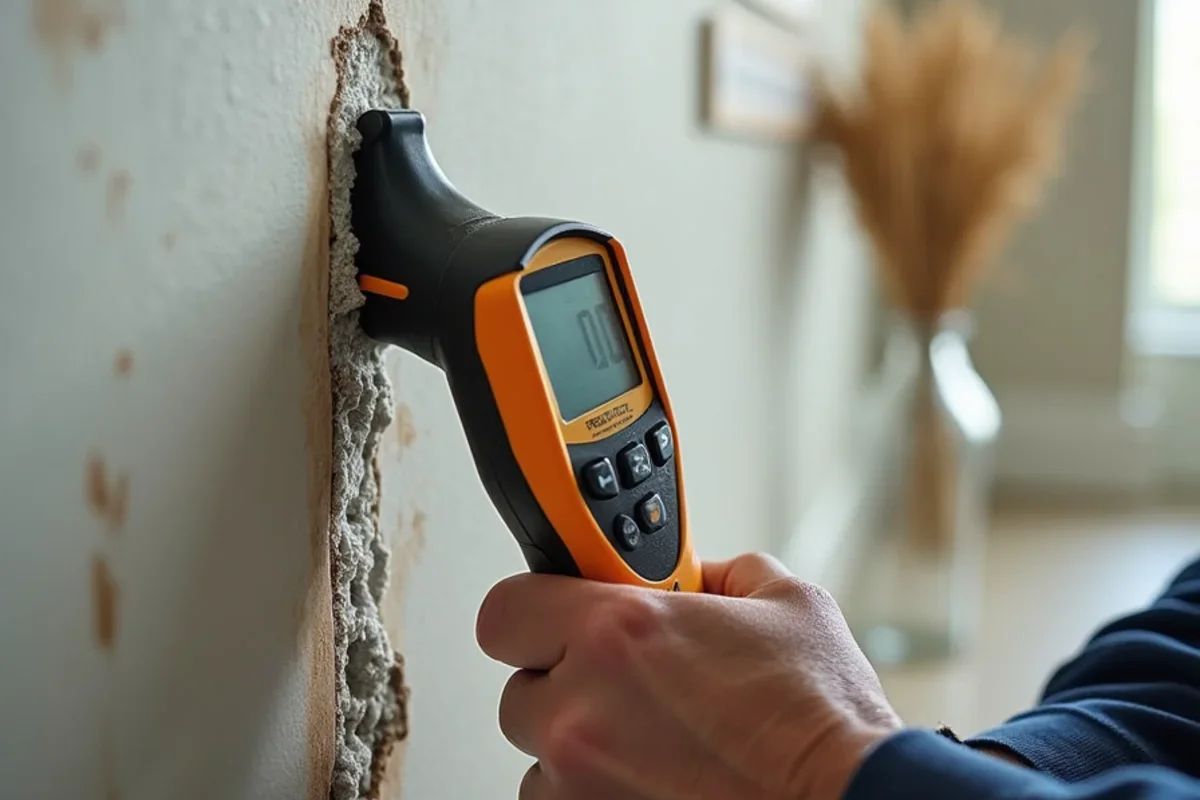
Related Restoration Services & Service Areas Mentioned in This Guide
Frequently Asked Questions: flood insurance vs homeowners florida
Answers to common questions regarding timelines, insurance coverage, and Florida moisture management.
Need On-Site Water Damage Assistance?
Speak with an experienced restoration specialist right now. We dispatch certified technicians 24/7 across Central Florida.