
Understanding the Immediate Impact of What To Do After Water Damage in Florida
When discovering sudden water intrusion in a Central Florida property, every passing hour directly dictates whether building materials can be salvaged or must be stripped down to structural masonry. Unlike arid or temperate regions, Florida's high ambient relative humidity (often exceeding 80% to 90%) dramatically accelerates the progression of secondary water damage. Within minutes of a plumbing failure, clean water begins penetrating porous structural materials; within hours, sheetrock wicks moisture upward like a sponge, carpet padding disintegrates, and wood framing swells; and within 24 to 48 hours, active fungal colonization begins.
Water intrusions in Florida are categorized under IICRC S500 standards into three progressive categories: Category 1 (clean water from supply lines or failed angle stops), Category 2 (gray water containing chemical or biological contaminants, such as dishwasher discharge or washing machine overflows), and Category 3 (black water carrying pathogenic organisms, such as sewage backups or exterior river and storm surge flooding). In Orlando's warm indoor environments, a Category 1 clean water release degrades into a Category 2 microbial hazard in as little as 24 to 36 hours as bacteria feed on drywall paper and organic carpet dust. Understanding this timeline empowers homeowners to take immediate, disciplined action rather than waiting for an insurance adjuster's inspection before beginning mitigation.
Critical Immediate Actions: The Hour-by-Hour First 24 Hours Protocol
The initial 60 minutes after discovering water intrusion are decisive. Your immediate priority is source elimination. Locate and close your home's main water shutoff valve—typically situated near your water meter at the front street curb or where the main municipal line enters the exterior foundation slab. If the leak originates from an isolated appliance, turn the chrome oval angle stop clockwise until tight. If roof penetration or storm damage is the cause, immediately arrange emergency tarping to stop ongoing water ingress.
Immediately following source shutoff, assess electrical life safety. Water conducts electricity through conductive ions, turning damp concrete slabs and standing puddles into severe shock hazards. If water has reached baseboards near electrical outlets, extension cords, or sub-slab junction boxes, de-energize the affected branch circuits at the primary electrical breaker panel before stepping into the room. Never operate standard household appliances or shop vacuums in standing water.
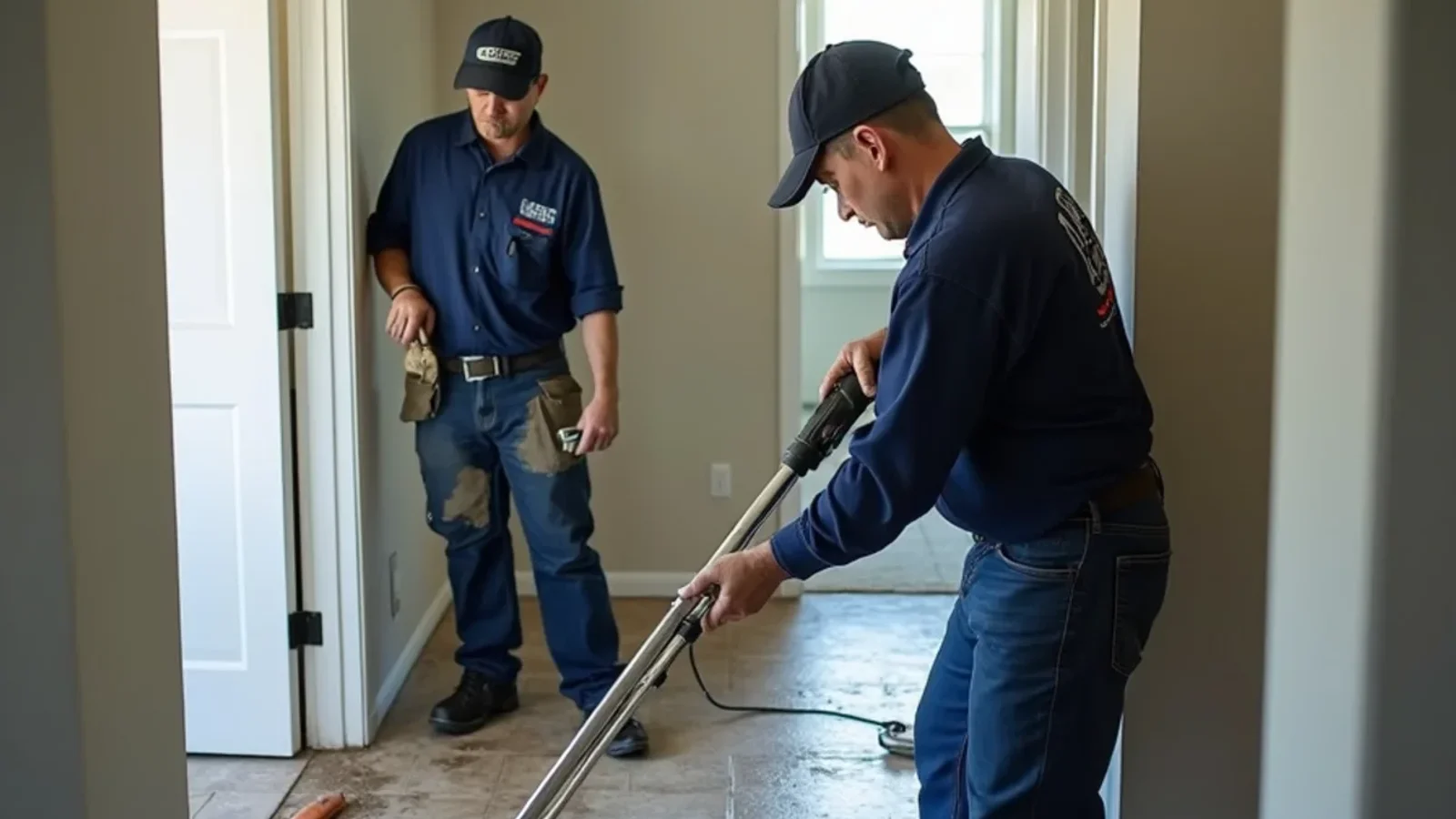
From Hour 1 to Hour 4, document the loss thoroughly before water recedes or items are moved. Take wide-angle video and high-resolution photographs documenting water depths against baseboards, saturation marks on furniture legs, and the exact point of plumbing failure. Keep failed pipe sections, broken valves, or split braided lines in a plastic bin as physical evidence for the insurance adjuster. From Hour 4 to Hour 24, professional truck-mounted water extraction and containment isolation must be established to halt structural wicking.
Dealing With an Emergency Water Loss Right Now?
Don't let water damage escalate into structural mold. Our Orlando dispatch team operates 24 hours a day, 7 days a week with live response.
Professional Assessment, Psychrometric Drying & Technical Equipment
Attempting to dry a water-damaged Florida home with ceiling fans, residential box fans, or by opening windows is ineffective and often disastrous. Orlando's outdoor air frequently carries a higher moisture load (grains per pound of water vapor) than the indoor building materials, meaning open windows simply pump thousands of gallons of ambient humidity into saturated drywall cavities. Professional structural restoration relies on the science of psychrometrics—the thermodynamic study of moist air and its relationship with temperature, vapor pressure, and building materials.
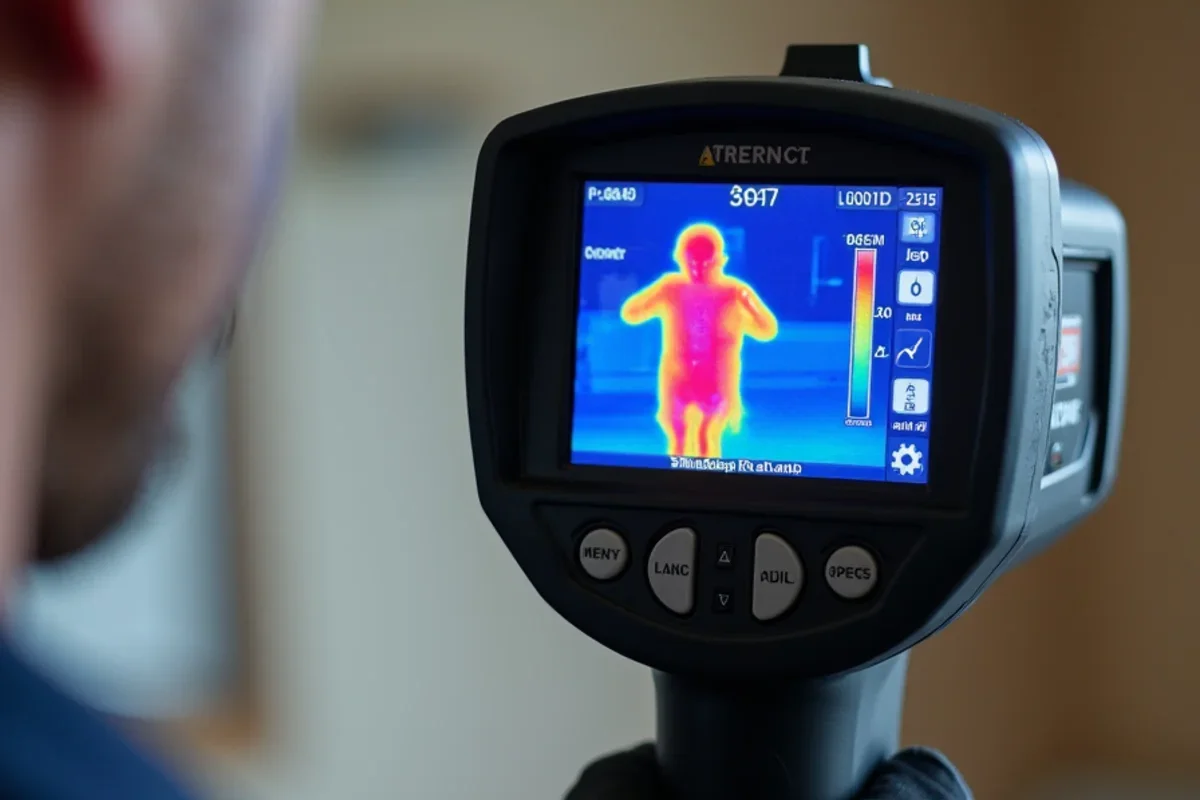
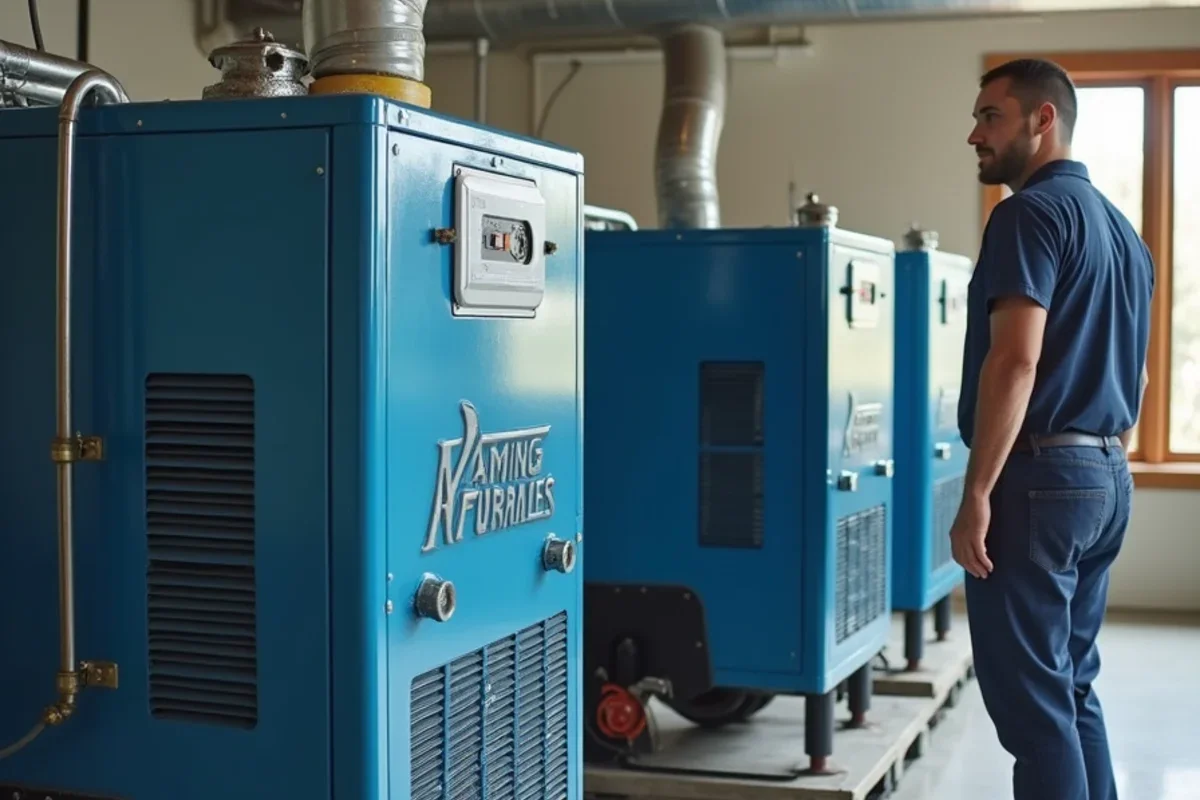
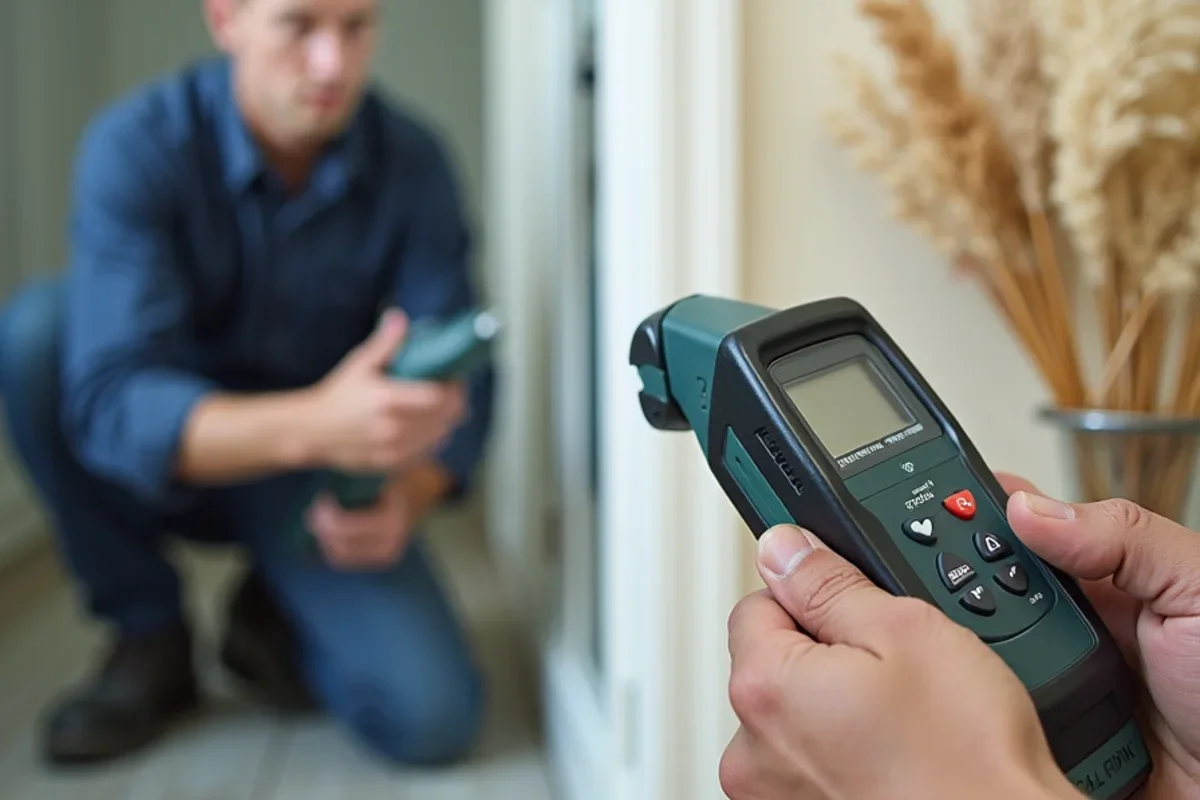
Certified restoration technicians employ high-capacity Low Grain Refrigerant (LGR) dehumidifiers and commercial desiccant systems capable of driving indoor relative humidity down below 40% and grain depressions below 30 grains per pound (GPP). This extreme vapor pressure differential forces deeply bound water out of porous concrete slabs, structural sill plates, and interior wall studs. Simultaneously, high-velocity axial air movers deliver laminar airflow across floor and wall surfaces to break boundary layers of saturated air, speeding evaporation. Throughout the 72- to 96-hour drying cycle, technicians utilize calibrated FLIR infrared thermal cameras, pin-type resistance meters, and non-invasive dielectric scanners to track structural dry standards daily on psychrometric logging sheets.
Navigating Florida Insurance Claims & Statutory Policyholder Duties
Florida property insurance law places an explicit affirmative duty on policyholders to take reasonable, prompt measures to protect the insured property from further damage following a covered loss. Failing to extract standing water or delay drying can give insurance carriers legitimate legal grounds to deny coverage for subsequent mold damage or rotting drywall under common policy neglect exclusions.
Following recent major legislative reforms in Florida—specifically Senate Bill 2-A, which eliminated Assignment of Benefits (AOB) agreements and one-way attorney fee shifting—homeowners manage their property claims directly with their insurance carrier. It is essential to notify your carrier promptly pursuant to Florida Statute 627.70132, which imposes strict statutory reporting deadlines. Independent restoration contractors support this process by creating objective, itemized Xactimate loss scopes, digital thermal imaging logs, and atmospheric chamber readouts that provide transparent claim evidence directly formatted to Florida carrier auditing guidelines.
Long-Term Prevention & Structural Moisture Management in Central Florida
Once your property is restored to certified dry standards, implementing targeted preventive upgrades safeguards against recurring losses. In Central Florida, air conditioning condensate drain lines are a leading source of hidden water damage. High summer run times cause algae and microbial slime to clog 3/4-inch PVC drain pipes, backing up water into attic drip pans. Installing an inline float switch (which shuts down the AC system automatically if water rises in the pan) prevents thousands of dollars in ceiling and drywall damage.
Furthermore, replace all rubber washing machine and toilet supply lines with braided stainless steel hoses every 5 to 7 years. Consider installing a smart whole-home automatic water shutoff valve (such as Flo by Moen or Phyn) on your main water service line. These ultrasonic flow sensors detect minute continuous leaks—like a hidden pinhole under a slab—and automatically shut off water flow while sending an alert to your smartphone, providing round-the-clock protection whether you are home or away.
Related Restoration Services & Service Areas Mentioned in This Guide
Frequently Asked Questions: what to do after water damage
Answers to common questions regarding timelines, insurance coverage, and Florida moisture management.
Need On-Site Water Damage Assistance?
Speak with an experienced restoration specialist right now. We dispatch certified technicians 24/7 across Central Florida.