
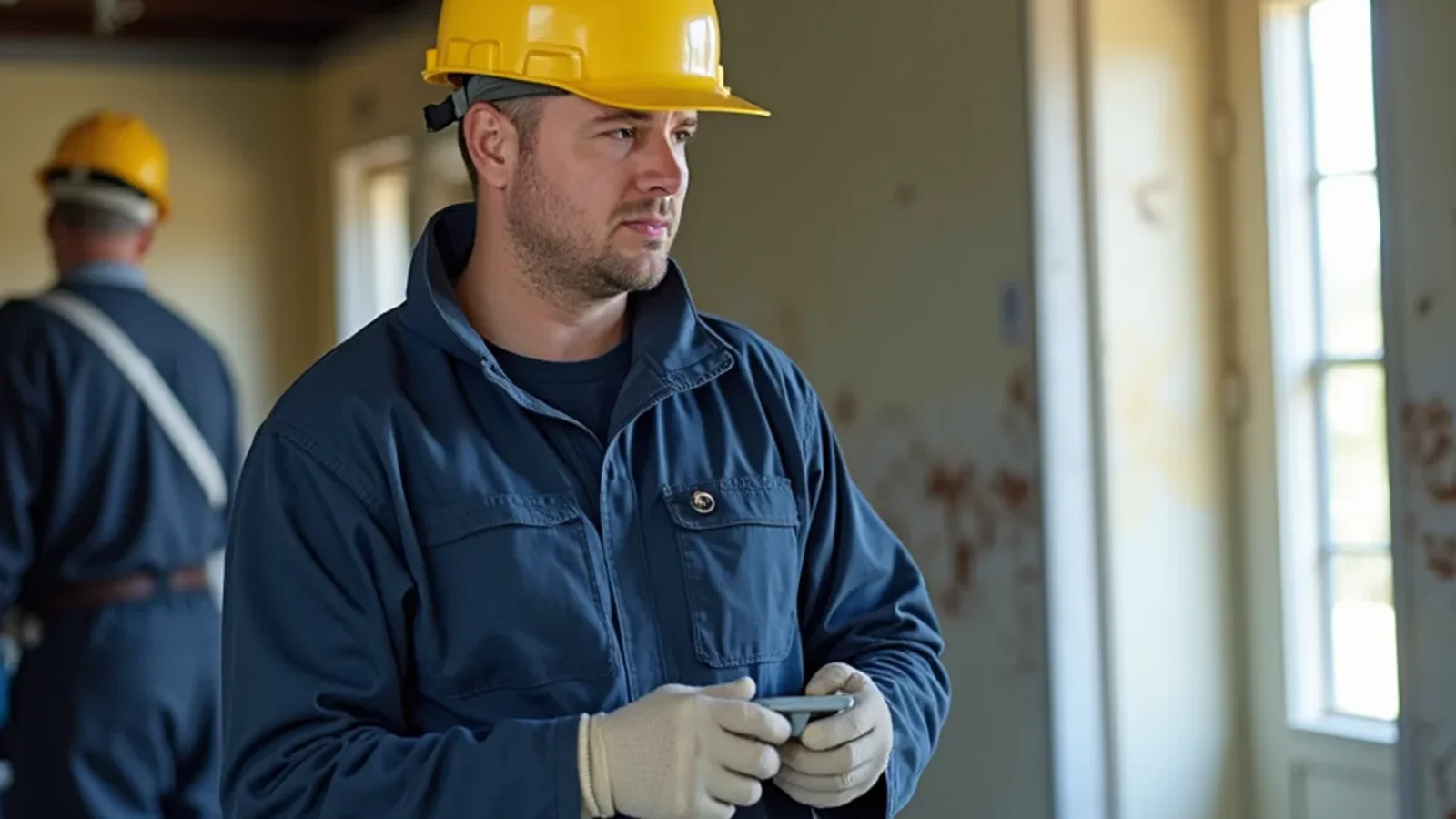
The Chemistry of Kitchen Fires: Protein Residue vs. Synthetic Soot
Even a small kitchen grease flare-up or scorched skillet on a stovetop in an Orlando home produces far more destructive contamination than the visible flames suggest. In kitchen fires, combustion physics creates distinct chemical byproducts governed by the fuel source. While wood and paper produce dry, powdery carbon ash, kitchen fires almost always consume animal fats, cooking oils, synthetic packaging, and plastic cabinetry veneers.
The most deceptive and pernicious byproduct is protein smoke residue. Generated by the evaporation of animal fats and vegetable oils under high heat, protein smoke is virtually invisible to the naked eye. It deposits an oily, amber-tinted film across cabinetry, ceilings, and countertops that emits an intensely pungent, rancid odor. Simultaneously, burning plastic laminates, microwaves, and wiring produce synthetic wet smoke—an extremely sticky, dark residue containing toxic polycyclic aromatic hydrocarbons (PAHs) and acidic compounds. Understanding this chemical distinction is critical: standard household cleaning products react with these acidic residues, chemically bonding the stain into the underlying surface permanently.
The Critical 24-to-72-Hour Clock: How Acidic Soot Destroys Home Surfaces
Soot is not merely passive dirt; it is actively corrosive. Because smoke contains acidic compounds generated by burning plastics and food starches, it begins attacking residential materials the moment it settles on surfaces across your Central Florida home.
Within minutes of a fire, porous plastic kitchen appliances, vinyl window casings, and fiberglass range hoods begin yellowing irreversibly. Within 24 to 48 hours, acidic soot deposits corrode and pit polished metals—eating into stainless steel refrigerator doors, chrome sink faucets, brass drawer pulls, and electrical outlet prongs. If left unaddressed for 72 hours or longer, acidic residues chemically etch into glass window panes, permanently stain marble and granite countertop sealers, and penetrate deeply through porous drywall latex paint into the gypsum core. Prompt emergency neutralization by certified fire restoration technicians is the only way to save high-value appliances and architectural finishes from complete replacement.
Dealing With an Emergency Water Loss Right Now?
Don't let water damage escalate into structural mold. Our Orlando dispatch team operates 24 hours a day, 7 days a week with live response.
The DIY Boundary: What Homeowners Can Safely Touch vs. What Requires Professionals
Homeowners experiencing a kitchen fire are often eager to grab sponges and scrub down walls immediately. However, improper cleaning techniques routinely turn salvageable surfaces into total losses. Knowing what you can safely clean yourself versus where professional intervention is mandatory protects your home and your insurance claim:
1. What You Can Safely Do: Immediately open exterior doors and windows if outdoor weather permits to vent lingering smoke. Turn off the central HVAC system at the thermostat to prevent soot from circulating into bedrooms. Discard all exposed, unpackaged food items and produce, as heat and toxic smoke chemicals easily permeate cardboard boxes and plastic wraps. Photograph and catalog every damaged item before anything is moved or discarded. 2. What You Must NEVER Attempt Yourself: Never use water-based household cleaners, dish soap, or sponges on soot-stained drywall or ceilings. Applying liquid to dry soot drives the fine carbon particles deep into the paint pores, creating permanent black smears that bleed through fresh coats of primer. Never attempt to clean scorched kitchen cabinets with abrasive scouring pads. Most importantly, never operate your air conditioner or clean interior ductwork yourself; handling toxic soot requires specialized negative air equipment and commercial HEPA filtration.
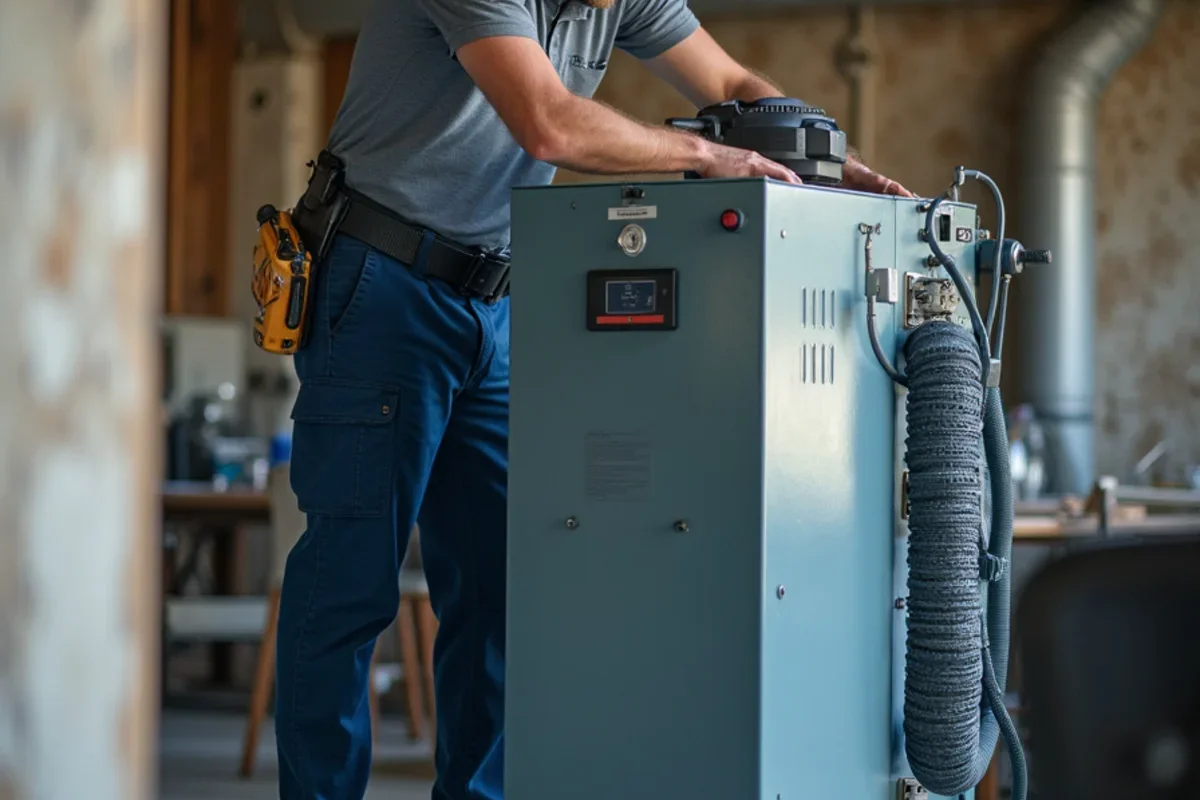
Professional IICRC S540 Restoration: Dry Chem Sponges, Hydroxyls, and Thermal Fogging
Certified fire and smoke restoration contractors operate under the ANSI/IICRC S540 Standard for Trauma and Fire Cleanup. Professional remediation employs specialized mechanical and chemical methods engineered to neutralize soot without damaging substrates.
The initial decontamination begins with vulcanized natural rubber dry-cleaning sponges (chemical sponges). These porous, waterless sponges mechanically lift soot particles off textured drywall, wallpaper, and acoustic ceiling tiles through electrostatic attraction and micro-pore absorption. For stubborn protein grease residues on solid wood cabinetry, technicians apply specialized alkaline emulsifiers formulated to digest animal lipids without lifting the clear lacquer finish. To eliminate pervasive smoke odors trapped in framing and subfloors, restorers deploy industrial hydroxyl generators and thermal foggers. Thermal fogging atomizes odor counteractant compounds into microscopic droplets identical in size to smoke particles, allowing them to penetrate the exact microscopic crevices and porous pores where smoke odors reside, chemically pairing with and neutralizing odor molecules permanently.
Central HVAC Contamination and Florida Insurance Documentation
In Central Florida, the biggest hidden casualty of a kitchen fire is almost always the central air conditioning system. If the AC unit was running during or immediately following the fire, the return air intake draws smoke and airborne soot particles directly across the evaporator coil, blower fan, and into fiberglass flex ductwork. Once inside, every cycle of the AC blows microscopic soot particles and burned-plastic odors into distant bedrooms, contaminating closets, clothing, and bedding.
Restoration professionals perform forensic wipe testing throughout duct runs and supply registers to document the full migration boundary of smoke. Under Florida property insurance claims (governed by Florida Statute § 627.70132), comprehensive third-party documentation is essential. Certified restorers author line-item Xactimate estimates detailing HVAC decontamination, thermal fogging, ceiling wash-downs, and content pack-outs, ensuring policyholders receive full coverage from their insurance carriers without improper depreciation deductions or disputed scopes.
Related Restoration Services & Service Areas Mentioned in This Guide
Frequently Asked Questions: smoke damage cleanup
Answers to common questions regarding timelines, insurance coverage, and Florida moisture management.
Need On-Site Water Damage Assistance?
Speak with an experienced restoration specialist right now. We dispatch certified technicians 24/7 across Central Florida.