
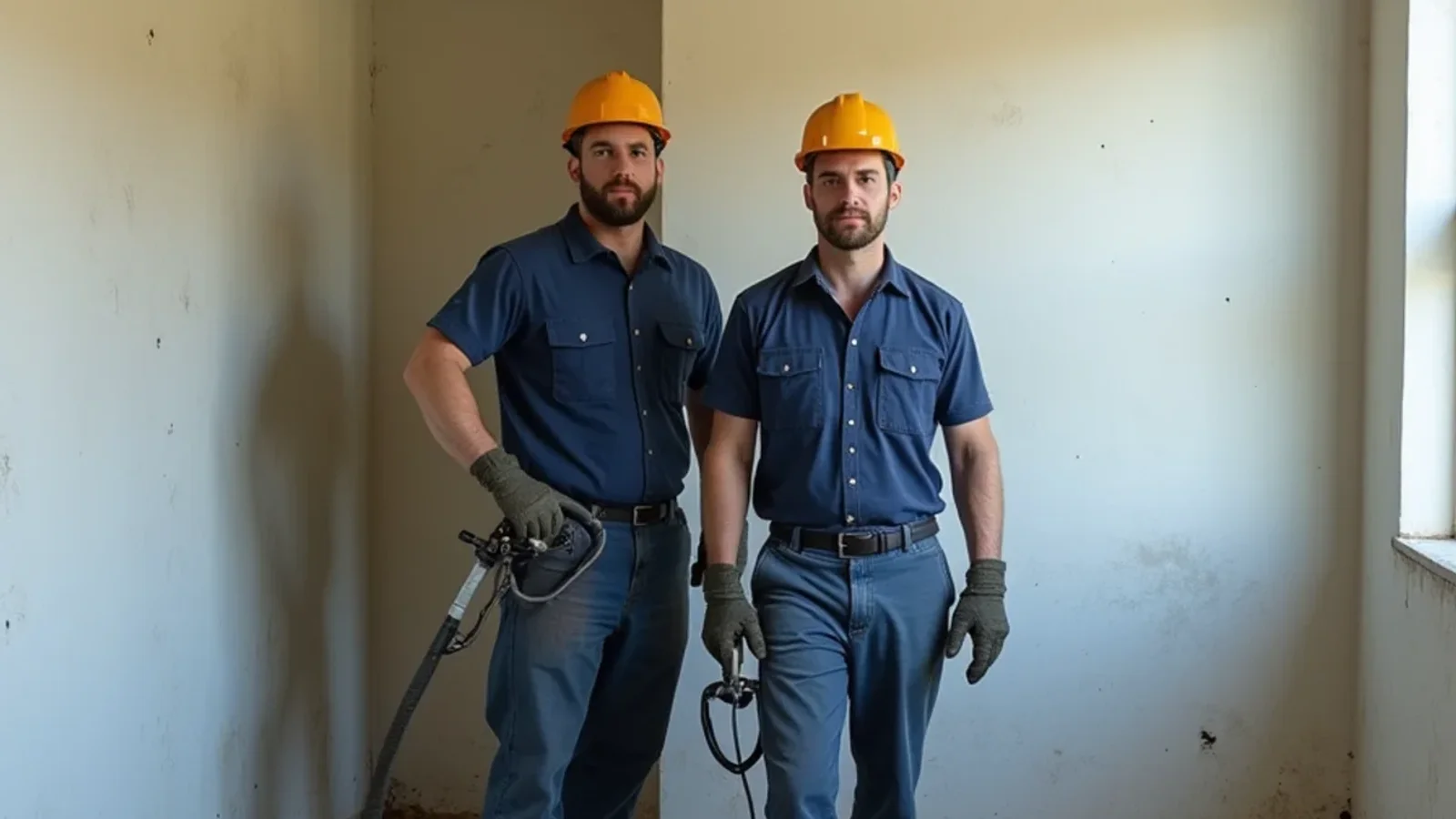
The 24-to-48-Hour Biological Countdown: Why Florida Leaks Demand Immediate Triage
In Central Florida's climate, a water leak is never just a plumbing problem—it is an immediate biological emergency. Microscopic mold spores exist naturally in outdoor air and indoor dust in dormant states. To break dormancy and begin active germination, fungal spores require only three conditions: organic cellulose for food (the paper backing of drywall, timber baseboards, or carpet backing), oxygen, and moisture.
In Orlando's warm indoor environment—where residential ambient temperatures regularly range from 72°F to 78°F and relative humidity easily exceeds 65%—microbial germination begins within 24 to 48 hours of initial water contact. By 72 hours, fungal hyphae have penetrated deep into porous drywall cores, forming macroscopic colonies and releasing millions of secondary airborne spores and volatile organic compounds (MVOCs). If water extraction and commercial psychrometric drying do not commence immediately, what started as a simple clean-water pipe leak escalates into an active biohazard that jeopardizes indoor air quality and structural integrity.
Florida Statute § 468.8411: The 10-Square-Foot Rule and Mandatory Licensing
Many Florida homeowners assume they can hire a neighborhood handyman or simply have their carpet cleaner scrub away moldy drywall patches. However, Florida law strictly regulates microbial remediation to protect public health and prevent structural fraud. Under Florida Statute § 468.8411, administered by the Florida Department of Business and Professional Regulation (DBPR), any professional who performs mold remediation on a surface area greater than 10 contiguous square feet must hold an active state Mold Remediator (MRSR) license.
Performing or offering mold remediation exceeding 10 square feet without a DBPR license is a first-degree misdemeanor under Florida law. Furthermore, hiring an unlicensed contractor carries severe legal and financial consequences for homeowners: work performed by unlicensed individuals voids manufacturer warranties, is routinely rejected by insurance adjusters, and cannot produce a legally recognized Certificate of Mold Remediation required during real estate transactions. If an insurer discovers an unlicensed contractor handled microbial demolition, they can deny coverage for subsequent mold repairs or secondary structural damage.
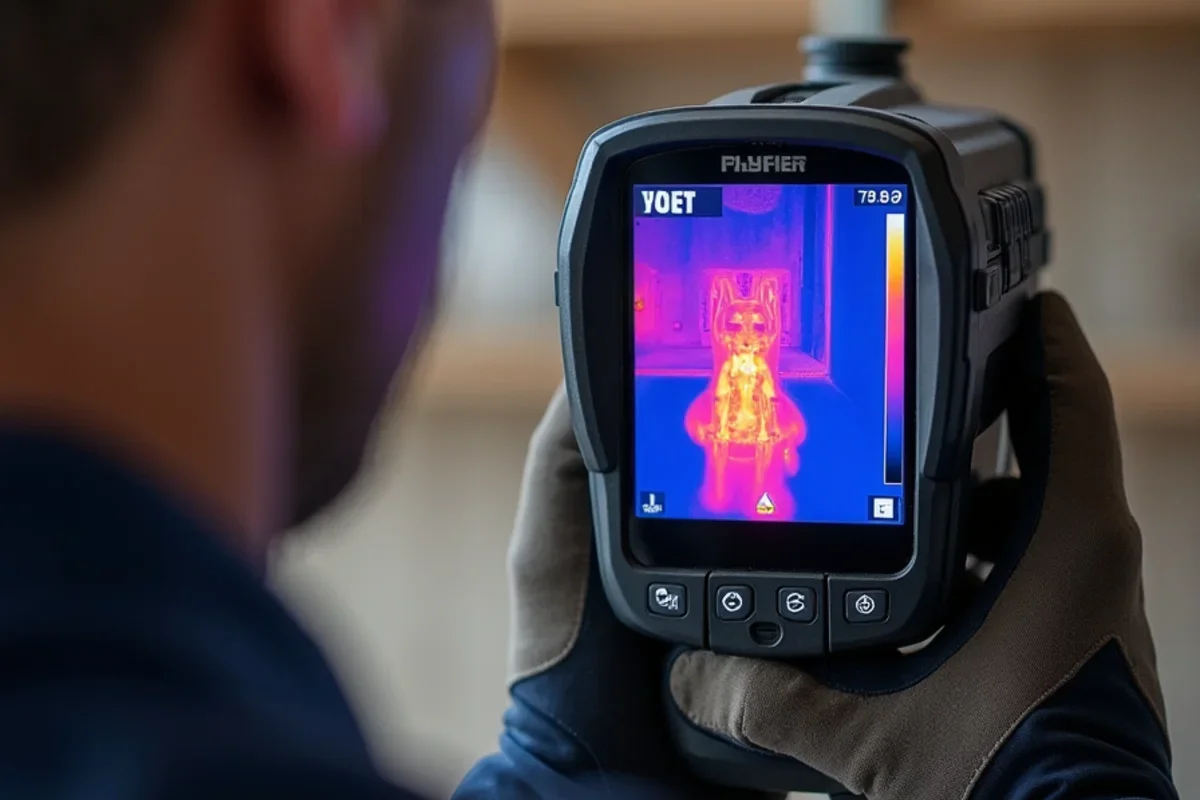
Dealing With an Emergency Water Loss Right Now?
Don't let water damage escalate into structural mold. Our Orlando dispatch team operates 24 hours a day, 7 days a week with live response.
The Independent Mold Assessor Mandate: Avoiding Conflicts of Interest
A cornerstone of Florida's mold remediation statutes is the absolute legal separation between diagnosis and execution. Under Florida Statute § 468.8419, it is illegal for a single company, owner, or affiliated corporate entity to perform both the mold assessment and the mold remediation on the exact same residential property within a 12-month window.
This statutory firewall prevents unscrupulous contractors from inventing non-existent mold issues or grading their own work. In practice, when mold exceeds the statutory 10-square-foot threshold, a third-party DBPR-licensed Mold Assessor (MRSA) must inspect the premises, take air and surface samples, and author a detailed Remediation Work Plan (Protocol). The licensed Remediator (MRSR) is legally bound to execute containment, negative air pressure, and selective demolition strictly within the parameters of that protocol. Once physical work concludes, the original independent Assessor returns to conduct Post-Remediation Verification (PRV) testing to verify that indoor spore counts have returned to normal environmental baselines.
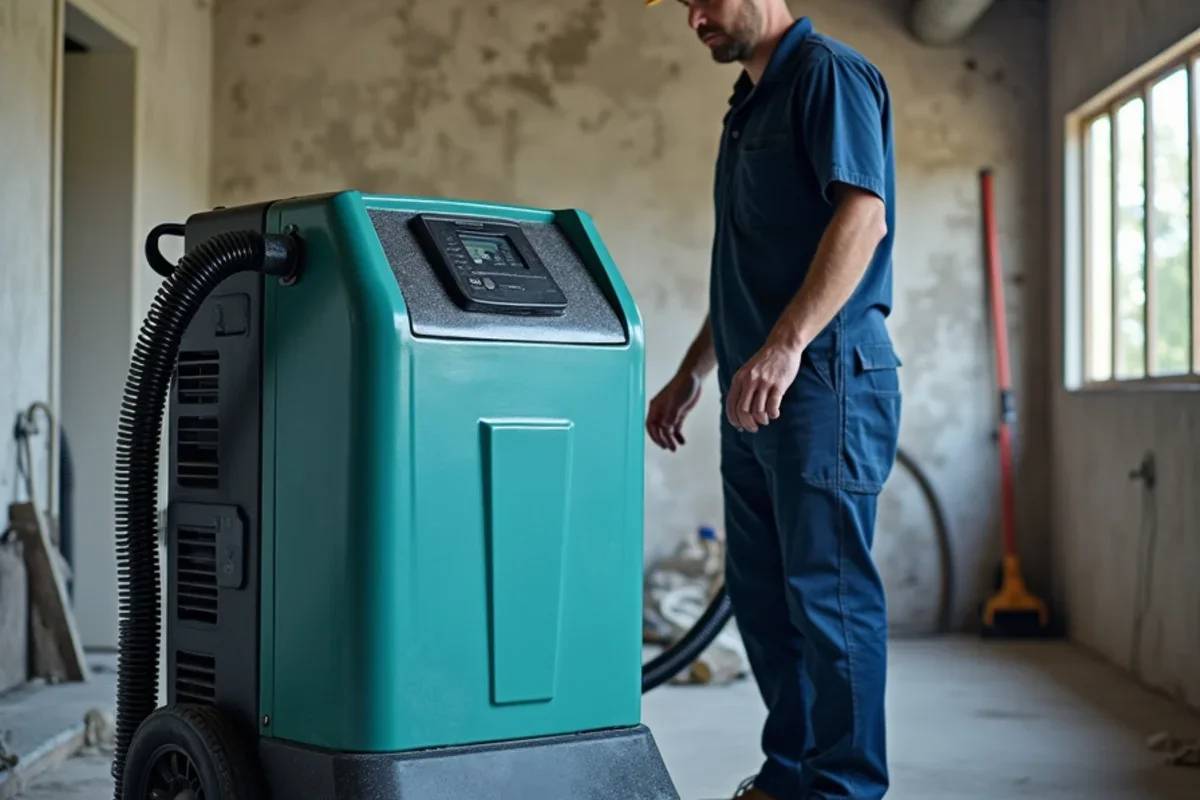
Common Fungal Species in Central Florida Homes and Health Consequences
The fungal strains that colonize Central Florida homes following a plumbing or roof leak present varying degrees of physical and health risks. Understanding what is growing behind your baseboards informs the urgency of containment:
1. Aspergillus and Penicillium: The most common molds found following clean-water plumbing leaks and air handler overflows. These species grow rapidly on drywall paper, producing allergenic proteins and mycotoxins that trigger severe respiratory distress, sinus infections, and asthma attacks in vulnerable family members. 2. Cladosporium: Frequently found along window frames, exterior wall corners, and fiberglass duct board where indoor condensation meets humid exterior air. While less toxic than Stachybotrys, its fine airborne spores easily penetrate deep into lung tissue. 3. Stachybotrys chartarum: Often referred to as 'toxic black mold,' Stachybotrys is a slow-growing, heavy-spored fungus that requires prolonged, continuous saturation—such as a slow pinhole copper pipe leak inside an interior wall or a chronic AC drain line overflow. It produces satratoxin mycotoxins capable of causing chronic fatigue, cognitive disruption, and severe mucosal irritation.
Why DIY Bleach and Scrubbing Exacerbates Microbial Contamination
When discovering mold along a baseboard or behind a laundry machine, the instinctive DIY response is to grab a bottle of household bleach, a scrub brush, and an oscillating fan. In a Florida home, this is the worst possible course of action.
First, standard chlorine bleach is formulated with approximately 90% water. On porous materials like drywall, plaster, and timber studs, chlorine molecules are too large to penetrate the substrate, evaporating quickly on the surface. The water carrier, however, soaks deep into the wood or gypsum core, providing the dormant fungal root system with fresh hydration that accelerates re-growth within days. Second, scrubbing mold without commercial containment mechanically disturbs fungal fruiting bodies, aerosolizing hundreds of thousands of microscopic spores into the air. If your central HVAC system is running, the return plenum draws these disturbed spores into the ductwork, distributing contamination into every bedroom and living space across your home.
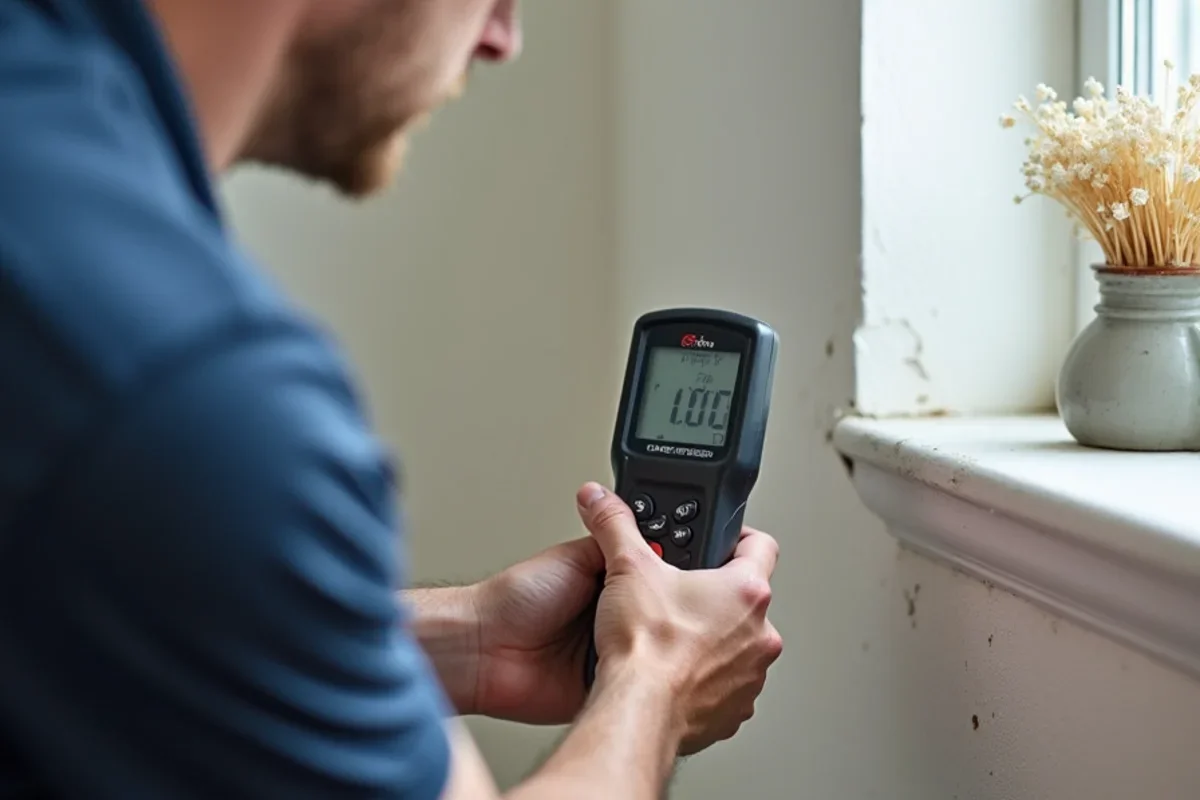
Related Restoration Services & Service Areas Mentioned in This Guide
Frequently Asked Questions: mold after water leak
Answers to common questions regarding timelines, insurance coverage, and Florida moisture management.
Need On-Site Water Damage Assistance?
Speak with an experienced restoration specialist right now. We dispatch certified technicians 24/7 across Central Florida.