
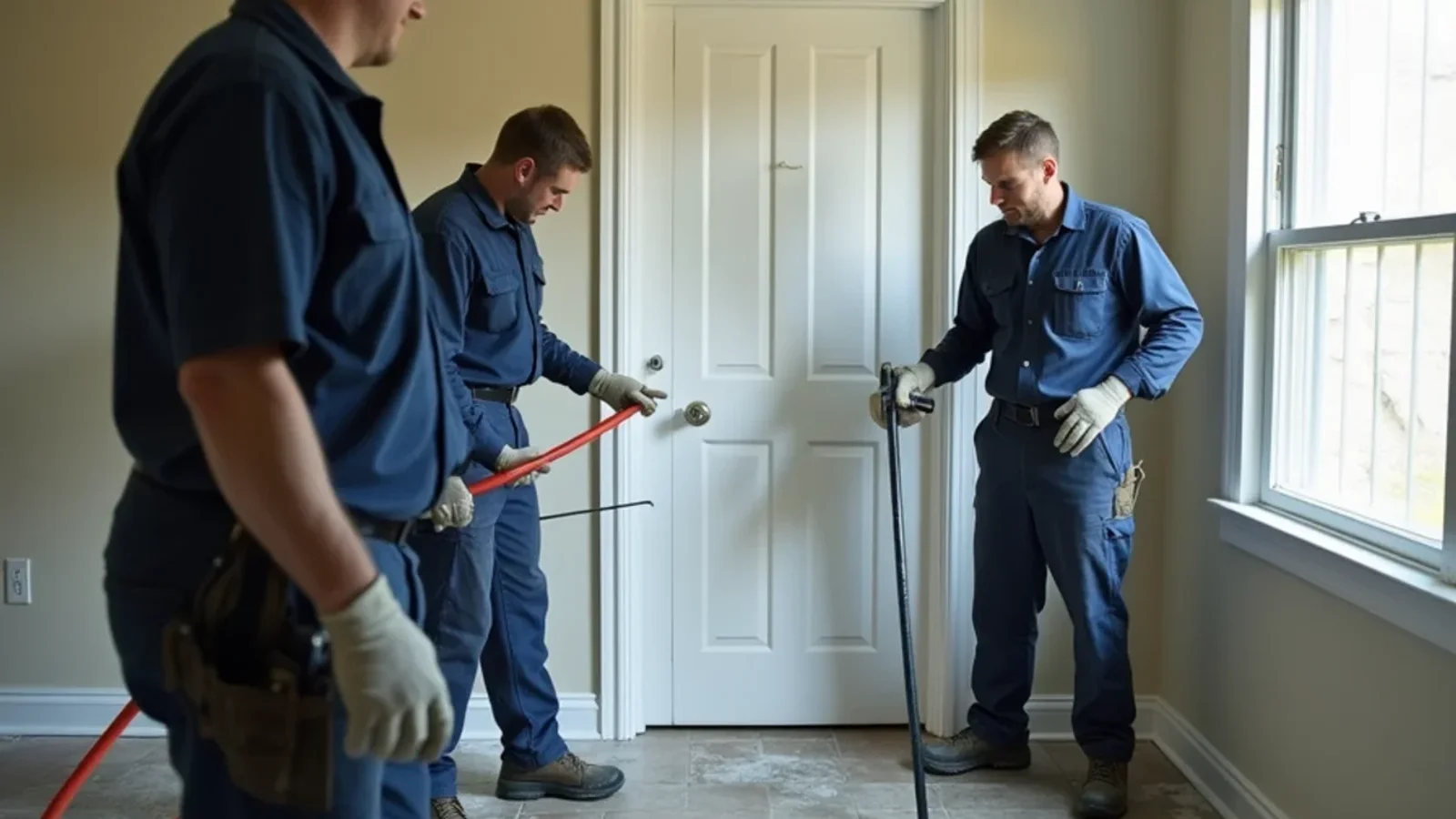
The Florida Humidity Dilemma: Why Structural Drying Defies Simple Timelines
Following a pipe break, appliance failure, or storm surge in Central Florida, the single most urgent question property owners ask is: 'How long until my house is dry?' In a typical temperate climate, basic drying may take three days. However, under Central Florida's subtropical climate regime—where outdoor ambient relative humidity frequently hovers between 75% and 95% from May through October—structural drying obeys strict laws of psychrometric physics.
Under certified IICRC S500 commercial restoration protocols, a standard residential water loss in Central Florida takes between three and five days (72 to 120 hours) to reach verified dry standards. However, if the water has penetrated dense porous materials like concrete slab foundations, multi-ply subfloors, or solid hardwood flooring, or if Category 2 or 3 contamination necessitates extensive containment, structural drying can extend to seven days. Attempting to dry a Florida home without commercial dehumidification or relying on natural ventilation does not simply prolong the process; it almost always fails completely, inviting toxic fungal amplification within 48 hours.
Psychrometrics 101: Why Opening Windows and Using Box Fans Accelerates Disaster
The most common and destructive mistake homeowners make after water intrusion is opening windows and setting up residential box fans. In Florida, outdoor air is intensely moisture-laden. On a typical 90°F summer afternoon in Orlando, ambient air often carries a specific humidity of 120 to 140 grains per pound (GPP) of water vapor. By opening windows, you introduce hundreds of pints of airborne water vapor directly into your home, saturating previously dry drywall and ceilings.
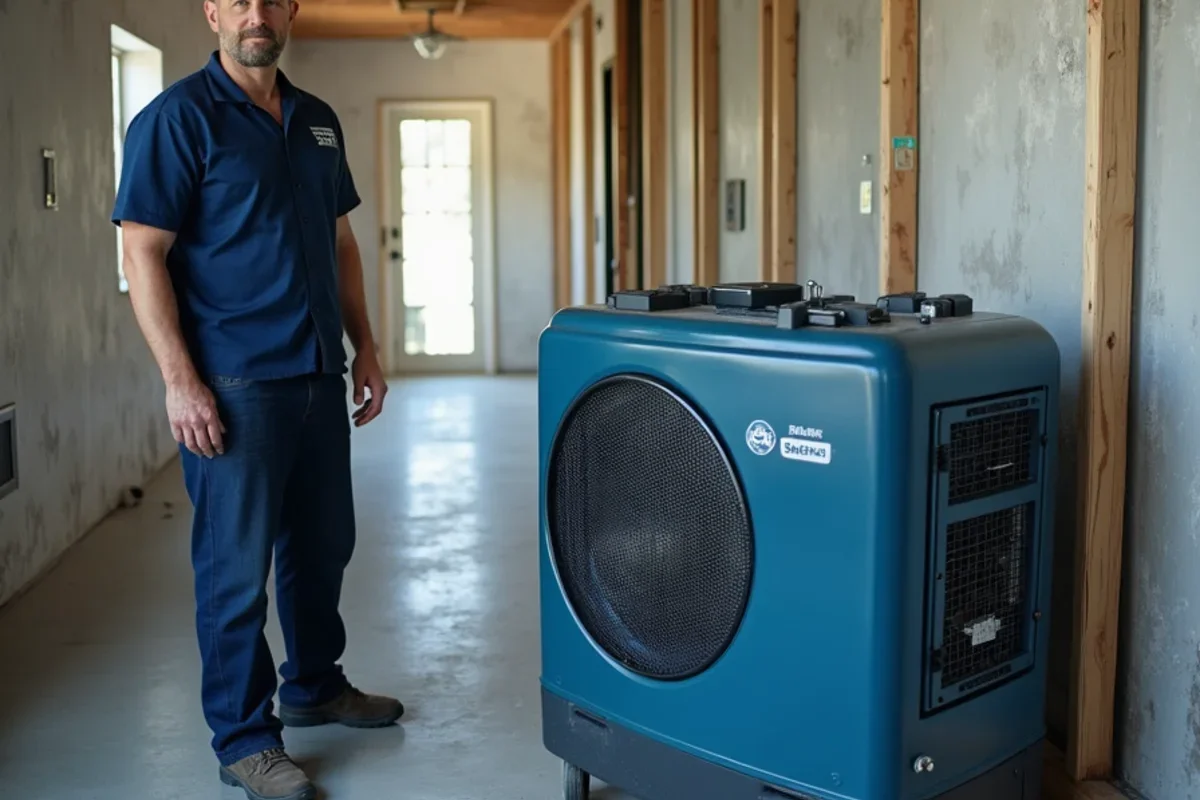
Professional drying relies on psychrometrics—the thermodynamic study of moist air. To draw bound water out of porous building materials, technicians manipulate the vapor pressure differential. Water naturally migrates from areas of high vapor pressure (saturated building assemblies) toward areas of low vapor pressure (artificially dried air). Certified restorers seal the building envelope into a closed drying chamber, deploying industrial Low Grain Refrigerant (LGR) dehumidifiers capable of driving indoor air down to under 40 GPP and below 35% relative humidity. This steep vapor pressure gradient pulls deeply absorbed moisture out of studs and slabs, allowing high-velocity axial air movers to vaporize surface water continuously.
Dealing With an Emergency Water Loss Right Now?
Don't let water damage escalate into structural mold. Our Orlando dispatch team operates 24 hours a day, 7 days a week with live response.
Material-Specific Drying Rates: From Porous Drywall to Dense Concrete Slabs
Different building assemblies release water at vastly different rates depending on their cellular structure, density, and permeance rating. Understanding these differences explains why certain areas of a home dry in 48 hours while others require nearly a week of continuous airflow:
1. Standard Drywall and Baseboard Framing (48 to 72 Hours): Gypsum board is highly porous. If wet by clean Category 1 water, drywall can often be saved if drying begins within 24 hours. Axial air movers creating laminar airflow across the surface, paired with LGR dehumidifiers, typically bring gypsum cores down to dry standards within 2 to 3 days. 2. Structural Wall Studs and Sole Plates (72 to 96 Hours): Douglas fir and yellow pine framing studs absorb water through cellular capillaries. Because base plates sit directly on concrete slabs, they wick pooling water upward. Reaching equilibrium moisture content (10% to 12% moisture content) requires 3 to 4 days of sustained low GPP air. 3. Concrete Slab-on-Grade Foundations (72 to 120+ Hours): Central Florida homes are built primarily on concrete monolithic slabs. Concrete acts like a dense mineral sponge with millions of microscopic capillaries. Water can migrate deep into the slab; extracting this bound moisture requires high-capacity LGR units or desiccant dehumidifiers running for 5 to 7 days to prevent subsequent adhesive failure under future luxury vinyl plank or wood installations.
The IICRC S500 Standard: Measuring Dryness Scientifically vs. Feeling by Touch
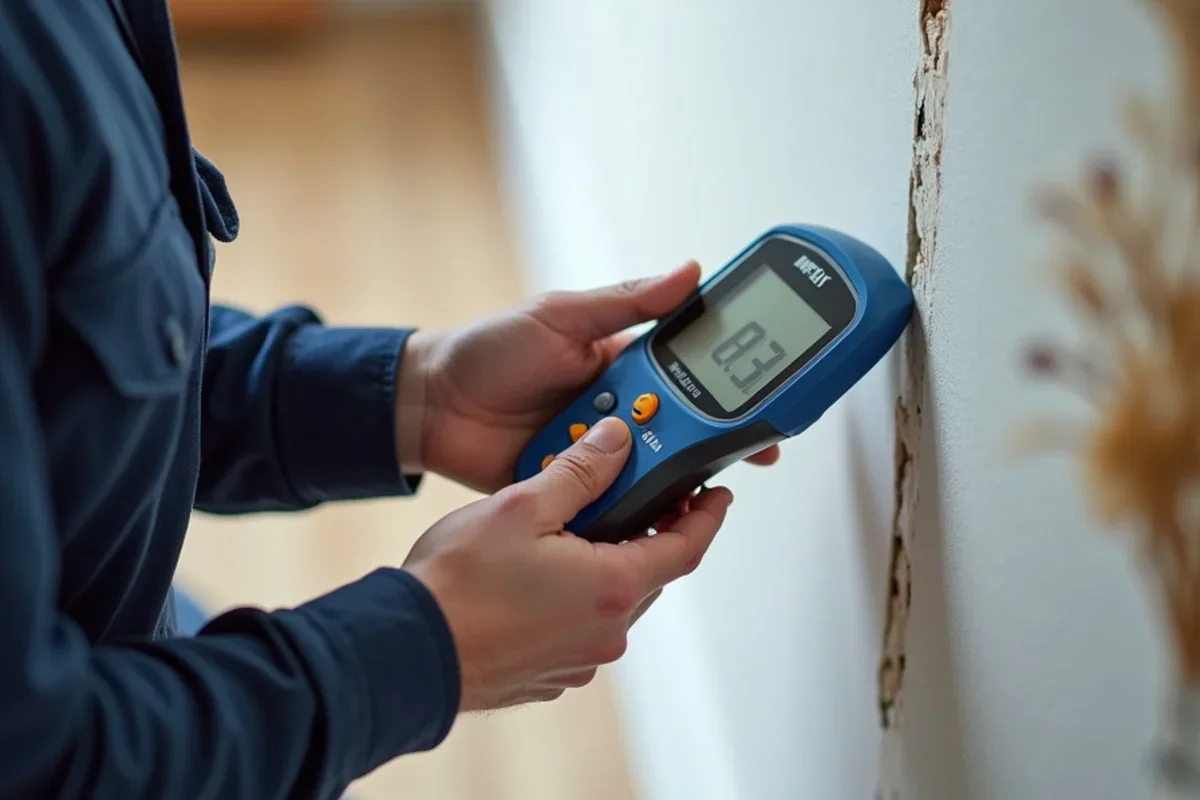
A fatal trap in DIY water remediation is assuming a wall is dry because it 'feels dry and warm to the touch.' Surface moisture evaporates first, giving a false sense of security while the interior gypsum core, fiberglass insulation, and backside framing remain near 100% saturation. Certified restoration contractors never guess when a structure is dry; they rely on calibrated scientific instrumentation to verify the IICRC S500 Dry Standard.
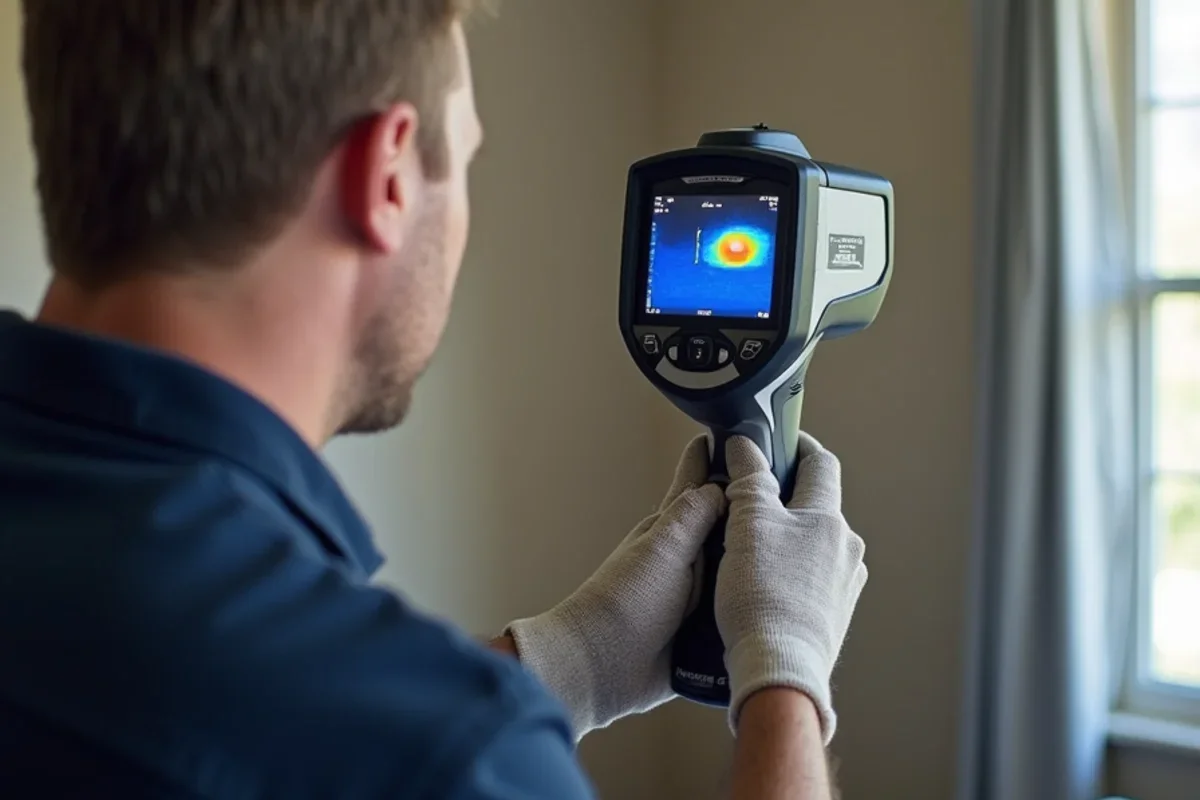
Technicians establish an objective baseline by measuring an unaffected control area of the home (for instance, an identical drywall partition on the opposite side of the residence). Non-invasive radio frequency moisture meters sweep wall cavities without piercing surfaces, while insulated deep-probe pin meters penetrate the wood grain of sole plates to measure electrical resistance, which translates directly to moisture content percentage (%MC). Wood framing is considered dry only when readings fall between 8% and 12% MC (or within 2% to 4% of the unaffected baseline). Technicians record daily psychrometric logs—tracking ambient temperature, relative humidity, dew point, and GPP of both the room and the dehumidifier exhaust—to mathematically prove the structure is progressively drying.
The Danger of Premature Equipment Teardown: Moisture Rebound and Hidden Mold
Because commercial drying equipment generates noise and thermal exhaust, homeowners are frequently eager to unplug dehumidifiers after 48 hours when carpets feel dry. Terminating drying operations prematurely triggers a well-documented physical phenomenon known as 'moisture rebound.'
When dehumidifiers and air movers are removed before deep capillary moisture is extracted from sole plates and concrete slabs, bound moisture begins diffusing outward toward the dry surfaces. Within 24 to 48 hours, the relative humidity inside closed wall cavities spikes above 70%. In Florida's warm climate, this trapped moisture creates an ideal incubation chamber for hidden fungal blooms of Aspergillus and Penicillium behind baseboards, under vinyl planks, and inside insulation. Once fungal colonization occurs, simple drying is no longer an option; the homeowner is now faced with full-scale licensed mold remediation requiring containment barriers, demolition, and thousands of dollars in unbudgeted expenses. Keeping industrial equipment running until scientific moisture logs prove equilibrium standard is the only reliable guarantee against secondary catastrophe.
Related Restoration Services & Service Areas Mentioned in This Guide
Frequently Asked Questions: how long to dry out house after water damage
Answers to common questions regarding timelines, insurance coverage, and Florida moisture management.
Need On-Site Water Damage Assistance?
Speak with an experienced restoration specialist right now. We dispatch certified technicians 24/7 across Central Florida.