
The Condo Water Disaster: Why Downstairs Leaks Trigger Bitter Legal Disputes
Discovering water cascading through your ceiling from the condominium unit above is one of the most frustrating experiences a Florida homeowner can endure. Whether in a high-rise tower in Downtown Orlando, a mid-rise complex in Baldwin Park, or a garden condominium community near UCF or MetroWest, multi-family construction means your ceiling is literally your neighbor's floor.
When a dishwasher hose ruptures, a water heater tank cracks, or a toilet overflows on the fourth floor, gravity dictates that water travels downward through concrete post-tension slabs, fire-rated ceiling drywall, recessed lighting fixtures, and interior stud partitions. The immediate, instinctive reaction of every downstairs owner is to demand that the upstairs neighbor pay for every cent of the drying and reconstruction. In Florida, however, condominium property law is governed by complex statutory frameworks where the intuitive assumption of liability is almost always legally incorrect.
Florida Statute § 718.111(11): The Master Association Policy vs. Unit Owner Divide
The foundational law governing all condominium property damage claims in the state is Florida Statute § 718.111(11). This statute establishes an explicit, mandatory legal division of property insurance responsibility between the Condominium Association's master policy and individual unit owners' HO-6 insurance policies.
Under Florida law, the Condominium Association is legally required to insure the building's structural envelope and all original components up to the unfinished surface of the perimeter walls and ceilings. This includes the concrete subfloor, exterior stucco, roof deck, common-element plumbing stacks, and unfinished sheetrock (drywall). In contrast, the individual unit owner (under their HO-6 policy) is strictly responsible for insuring everything from the drywall primer outward: interior finish paint, wall coverings, floor coverings (hardwood, laminate, carpet, or tile), cabinetry, countertops, appliances, lighting fixtures, and personal contents. Therefore, even if a pipe bursts entirely outside your unit, repairing your water-soaked hardwood floor or repainting your ceiling remains your legal insurance responsibility, not the Association's.
Dealing With an Emergency Water Loss Right Now?
Don't let water damage escalate into structural mold. Our Orlando dispatch team operates 24 hours a day, 7 days a week with live response.
The Upstairs Neighbor Negligence Trap: Why They Usually Don't Have to Pay
The single biggest shock for downstairs condo owners is discovering that under Florida common law, the upstairs neighbor is NOT automatically liable for your damages simply because the water originated inside their unit. To hold an upstairs owner or their insurance carrier legally and financially liable for your damages, you must legally prove actionable negligence.
In Florida jurisprudence, negligence requires demonstrating that the upstairs owner knew or reasonably should have known about an ongoing defect and failed to take reasonable action. For instance, if an upstairs neighbor had a visible, chronic toilet leak that was documented in written HOA warnings and they ignored it, or if they left a bathtub running while intoxicated and fell asleep, they are legally negligent and their personal liability coverage must pay for your damages. However, if an upstairs copper supply line or braided washing machine hose suddenly suffers a spontaneous burst with zero prior warning or visible dripping, the law classifies this as an unavoidable, 'sudden and accidental' event. In that scenario, the upstairs owner is legally NOT liable for your unit's damage. Each owner must file a claim under their own respective insurance policy and pay their own deductible.
Common Elements vs. Limited Common Elements: Who Owns the Leaking Pipe?
Determining financial responsibility often hinges upon a forensic plumbing determination: exactly which pipe failed, and where does it reside within the building's architectural boundaries? Condominium declarations classify plumbing into three distinct legal categories:
1. Common Elements: Main vertical supply stacks and central drainage waste lines that service multiple units or travel through shared utility chases are Common Elements. If a main riser rusts through between the third and fourth floors, maintenance and initial mitigation fall squarely under the Condominium Association. 2. Unit Interior Plumbing: Any supply pipe or fixture branch line that extends past the individual unit's shutoff valve and serves only that specific residence (such as a shower diverter, toilet supply line, or refrigerator line) is unit property. The individual unit owner is responsible for repairing the plumbing break itself. 3. Limited Common Elements: Exterior balconies, air conditioning compressor pads, and dedicated storage closets are typically classified as limited common elements. The condo association's Declaration of Condominium governs whether the owner or the HOA bears financial liability for repairs to these components.
The 4-Step Crisis Protocol: Mitigation, Notice, and Multi-Carrier Xactimate Scopes
When water starts dripping through your condo ceiling, disciplined execution protects your health and your financial recovery:
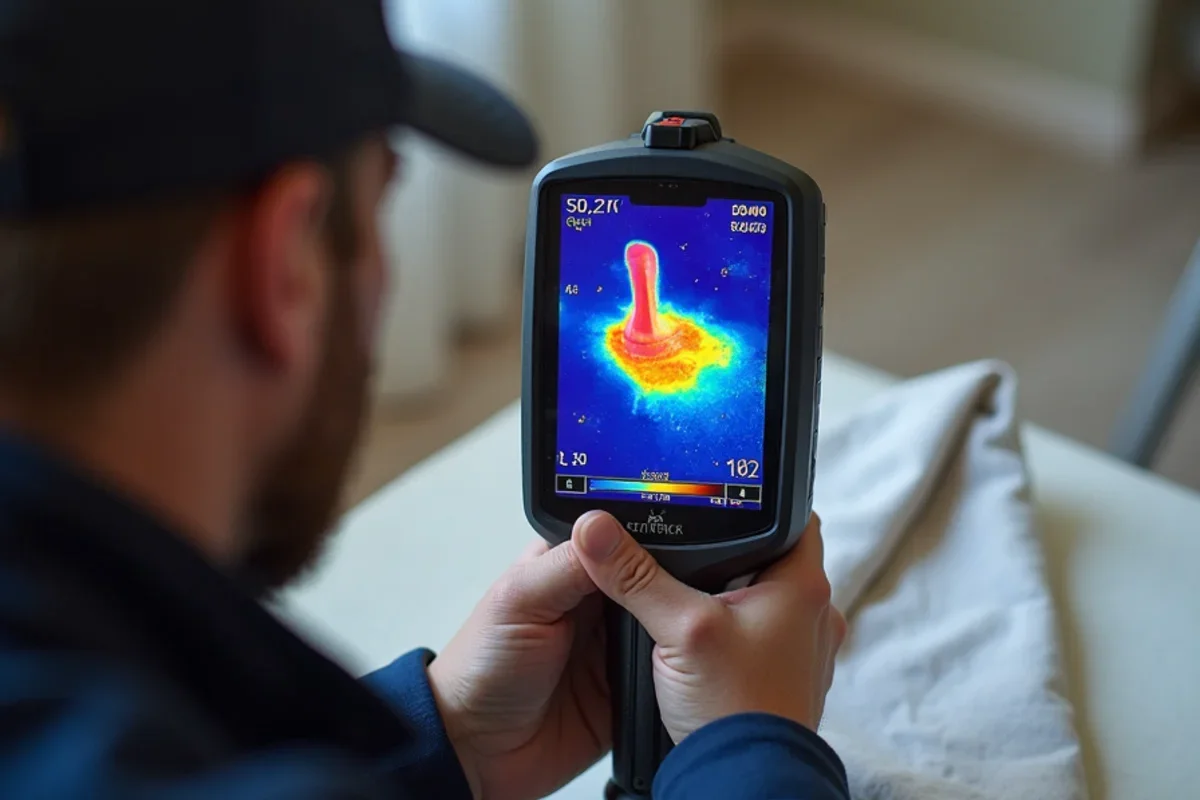
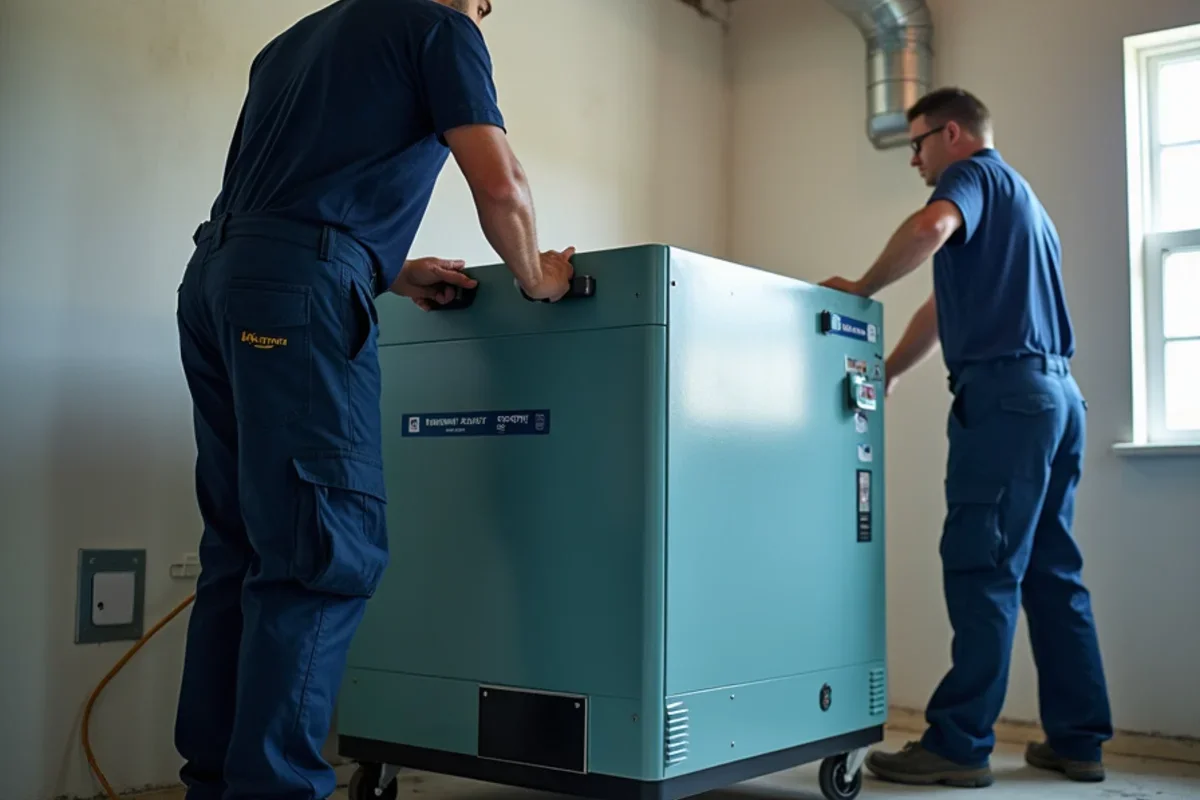
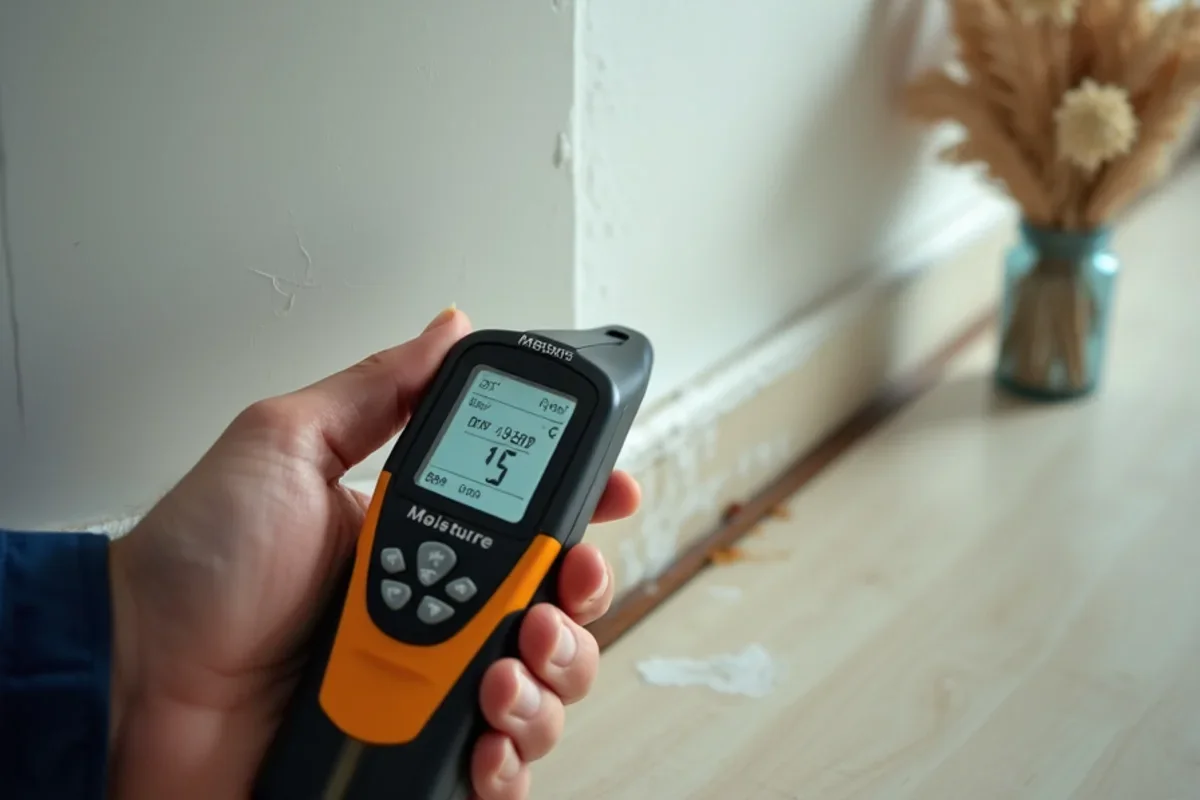
Step 1: Emergency Source Isolation: Immediately alert the upstairs resident. If they are not home, contact building security, the front desk, or the on-call Community Association Manager (CAM) immediately. Florida Statute § 718.111(5) grants the association an irrevocable right of access to enter units in emergencies to stop ongoing water intrusion. Step 2: Formal Written Notice: Notify the Association board and property management in writing within hours, requesting their insurance claim information and identifying common element involvement. Step 3: Rapid Psychrometric Drying: Never wait for adjusters to debate liability before starting mitigation. Engage an IICRC-certified restoration contractor immediately. Wet multi-family assemblies feature double-layer 5/8-inch Type X fire-rated drywall and sound-attenuation channel clips that trap gallons of water. Commercial restorers deploy thermal cameras and Low Grain Refrigerant (LGR) dehumidifiers to prevent toxic mold colonization across party walls. Step 4: Segregated Forensic Xactimate Invoicing: Professional restoration contractors compile itemized estimates that strictly segregate costs into three distinct scopes: Association Master Policy items (drywall drying/removal), Upstairs Owner items (if negligence applies), and Downstairs HO-6 finishes, ensuring smooth claim resolution across multiple carrier adjusters.
Related Restoration Services & Service Areas Mentioned in This Guide
Frequently Asked Questions: condo water leak from above who pays florida
Answers to common questions regarding timelines, insurance coverage, and Florida moisture management.
Need On-Site Water Damage Assistance?
Speak with an experienced restoration specialist right now. We dispatch certified technicians 24/7 across Central Florida.