
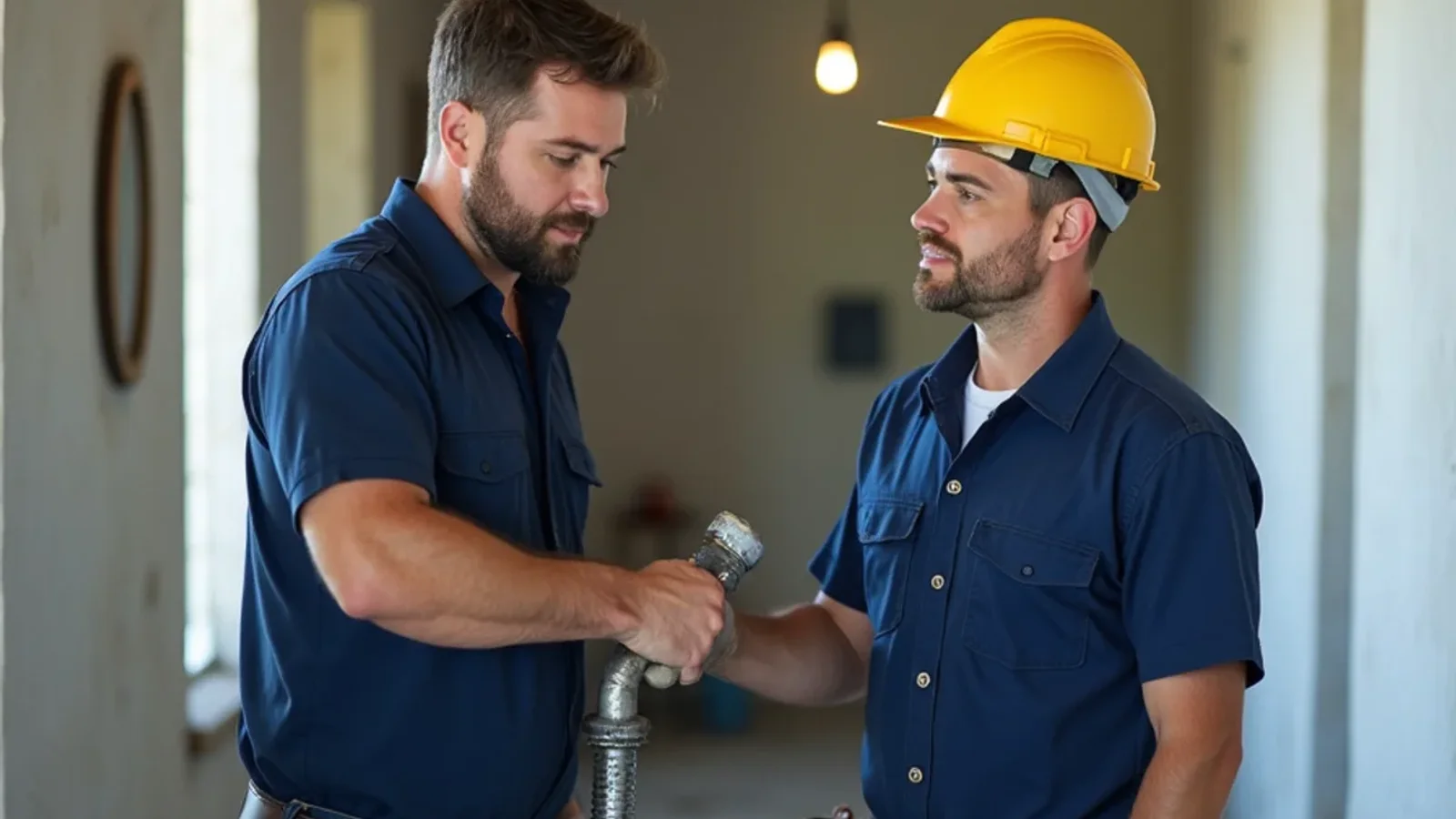
Why Water Pipes Burst at Night in Central Florida Homes
Discovering a burst pipe at 2:00 AM is one of the most stressful emergencies a Central Florida homeowner can face. Water cascades from ceilings, floods hallways, and saturates carpets within minutes. Understanding why plumbing lines frequently rupture during the overnight hours reveals critical insights into municipal water dynamics and regional building practices.
Between midnight and 5:00 AM, municipal water consumption drops to its lowest daily level across Orlando, Winter Park, and surrounding utility districts. As demand plummets, static pressure within municipal distribution mains surges. Properties without functional pressure-reducing valves (PRVs) can experience line pressure spikes from a normal 50 to 60 PSI up to 85 or even 100+ PSI. In Central Florida homes built with aging copper piping, fragile CPVC lines in superheated attic spaces, or legacy polybutylene plumbing with brittle acetal plastic fittings, these overnight pressure surges exploit the weakest microscopic stress points, causing catastrophic line splits that release 8 to 15 gallons of pressurized water every minute.
Nighttime Emergency Shutoff: Step-by-Step Action Guide
When a pipe ruptures in the middle of the night, every second you delay shutting off the water adds gallons of destructive water to your subfloors and wall cavities. Follow this disciplined emergency sequence:
Step 1: Locate and close the main water supply immediately. If the rupture is isolated to a sink, toilet, or washing machine, turn the individual chrome angle stop clockwise until hand-tight. If the leak is behind drywall, in the ceiling, or under the foundation slab, head directly to the primary home shutoff. In Florida homes, this valve is typically located on the exterior wall where the main service line penetrates the concrete slab, or inside an in-ground utility meter box near the street curb. Keep a meter key or heavy adjustable wrench accessible. Turn the brass valve 90 degrees until the eyelet holes align, indicating a complete shutoff.
Step 2: Relieve residual line pressure. Once the main valve is closed, open the lowest outdoor garden hose bibb and open all cold water faucets to drain remaining water out of the plumbing lines rather than allowing it to continue draining into your home.
Step 3: Eliminate electrical electrocution hazards. If water is dripping through ceiling light fixtures, running down electrical switch plates, or pooling near floor outlets, do not step into standing water. Go directly to your main electrical panel and shut off the primary main breaker or the individual branch breakers servicing the flooded areas.
Dealing With an Emergency Water Loss Right Now?
Don't let water damage escalate into structural mold. Our Orlando dispatch team operates 24 hours a day, 7 days a week with live response.
Immediate Water Extraction & Psychrometric Structural Drying
Once the water flow has stopped, immediate professional mitigation is required to save structural building materials. In Florida's humid climate, waiting until regular business hours allows clean Category 1 water to seep under baseboards, soak into drywall gypsum cores, and penetrate bottom wall plates and concrete slab pores. Within 24 to 48 hours in temperatures between 75°F and 85°F, microbial mold spores begin active germination.
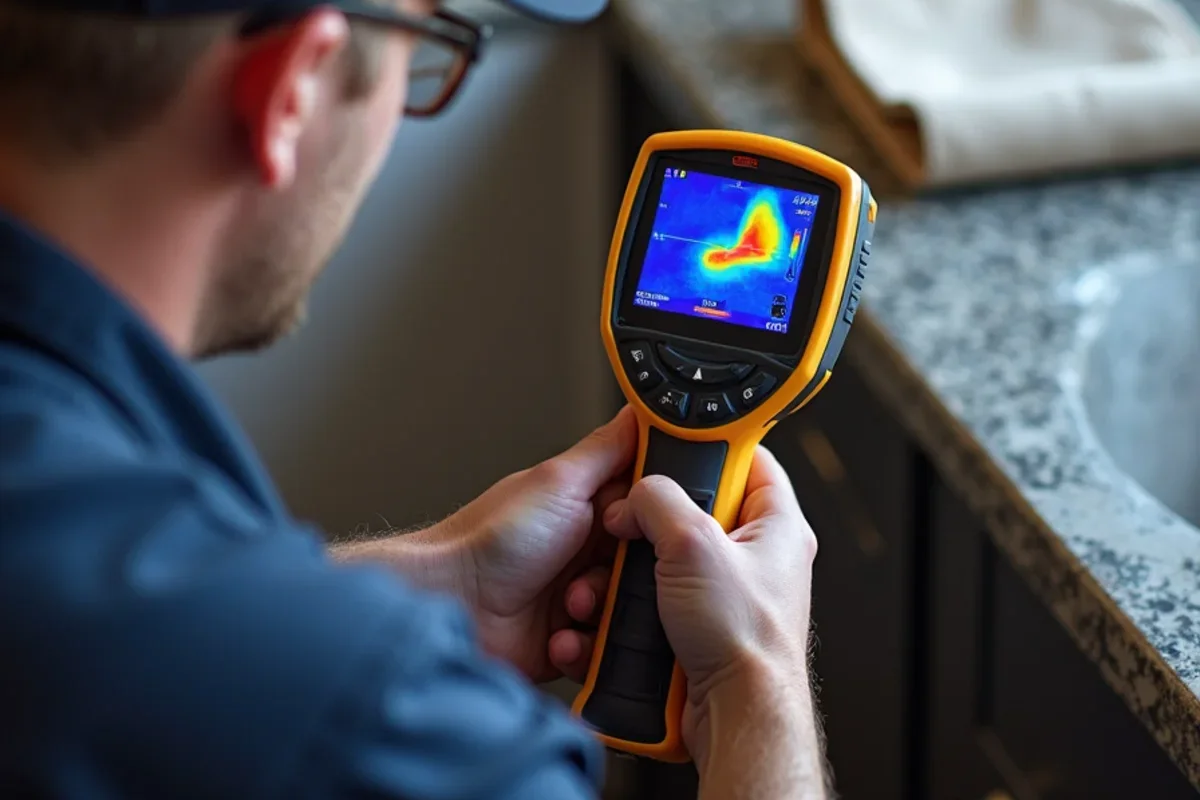
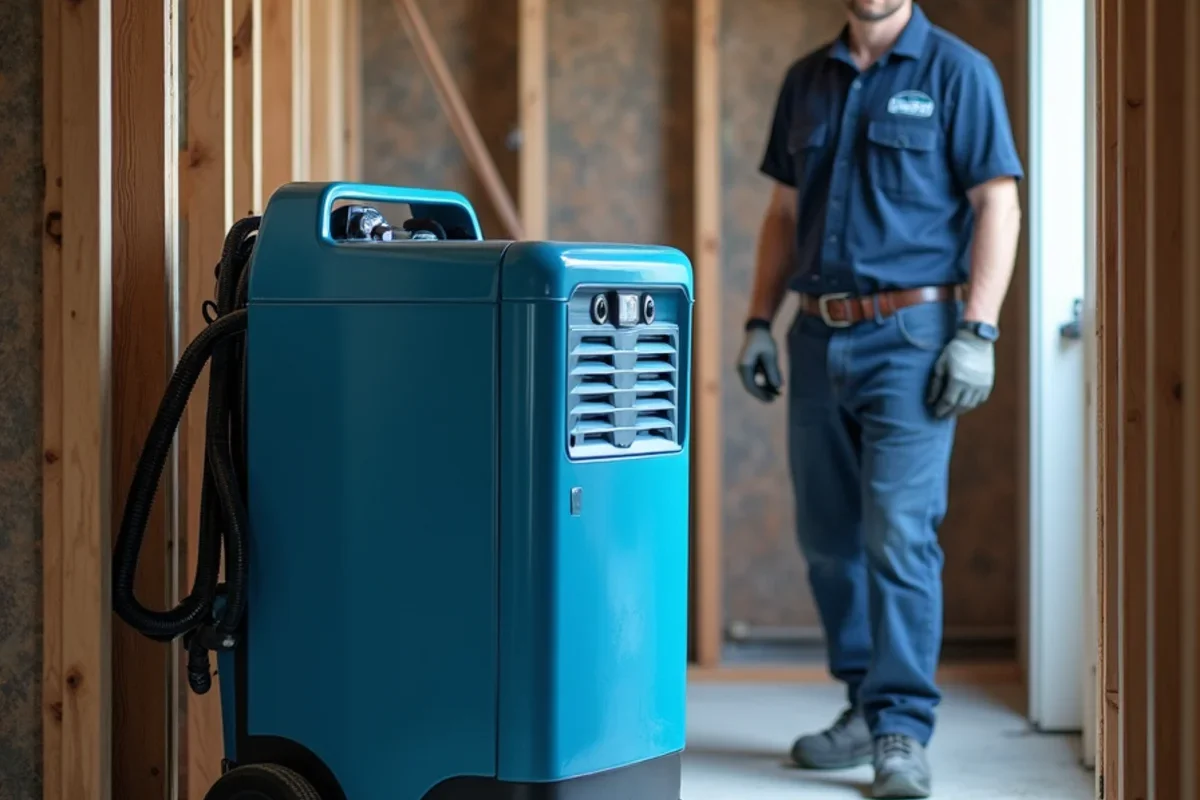
Professional restoration crews deploy truck-mounted high-vacuum extraction systems capable of extracting hundreds of gallons of water from saturated carpets, tile, and concrete in minutes. After bulk extraction, technicians use FLIR thermal imaging cameras to map invisible water pathways behind walls and beneath flooring. Drying chambers are established using commercial Low Grain Refrigerant (LGR) dehumidifiers and high-velocity axial air movers configured to IICRC S500 standards. This creates a steep vapor pressure differential that actively pulls moisture out of deep framing studs, preventing drywall warping and floor bucking.
Navigating Florida Insurance Claims After a Pipe Burst
Standard Florida HO-3 homeowners insurance policies generally provide coverage for 'sudden and accidental' water discharges, including sudden pipe ruptures and supply line breaks. However, insurance carriers draw a sharp contractual distinction between the cost to repair the plumbing pipe itself (which is often excluded as ordinary wear and tear) and the resulting water damage to flooring, drywall, cabinetry, and ceilings (which is typically covered under structural and personal property provisions).
Under Florida law, policyholders have an affirmative legal duty to mitigate damages promptly. Delaying extraction or failing to hire a certified drying contractor can lead to claim denials under policy neglect clauses. Preserve the broken section of pipe, damaged fitting, or split flex line in a clean plastic bag as physical evidence of a sudden rupture. Certified restoration contractors provide time-stamped thermal moisture logs, psychrometric chamber readings, and itemized Xactimate loss scopes that give adjusters the exact documentation required to approve coverage.
Preventing Future Overnight Pipe Bursts in Florida Properties
Preventing catastrophic plumbing failures requires proactive protection against pressure spikes and material fatigue. First, install a calibrated water pressure regulator (PRV) on your main supply line and test it annually to ensure incoming water pressure remains steadily between 55 and 65 PSI. If your home has a closed plumbing system with a backflow preventer, install a thermal expansion tank above your water heater to absorb pressure surges created during water heating cycles.
Second, inspect and replace all rubber washing machine and flexible toilet connectors with commercial-grade braided stainless steel hoses every 5 to 7 years. Finally, consider installing a smart ultrasonic automatic shutoff valve (such as Flo by Moen or Phyn Plus). These devices monitor household water flow 24/7, detect anomalous continuous flow in the middle of the night, and automatically shut off the main water valve within seconds, alerting your phone and stopping a disaster before it starts.
Related Restoration Services & Service Areas Mentioned in This Guide
Frequently Asked Questions: burst pipe what to do
Answers to common questions regarding timelines, insurance coverage, and Florida moisture management.
Need On-Site Water Damage Assistance?
Speak with an experienced restoration specialist right now. We dispatch certified technicians 24/7 across Central Florida.