
The Florida AC Condensate Engine: 20 Gallons of Daily Overhead Water
In Central Florida, an air conditioning system does not simply cool indoor air; it serves as a high-capacity dehumidifier. When humid indoor air blows across an evaporator coil chilled to 45°F, moisture condenses rapidly into liquid water. During Orlando's peak cooling season from May through October, a typical residential three-to-five-ton system extracts between 10 and 20 gallons of condensate every 24 hours.
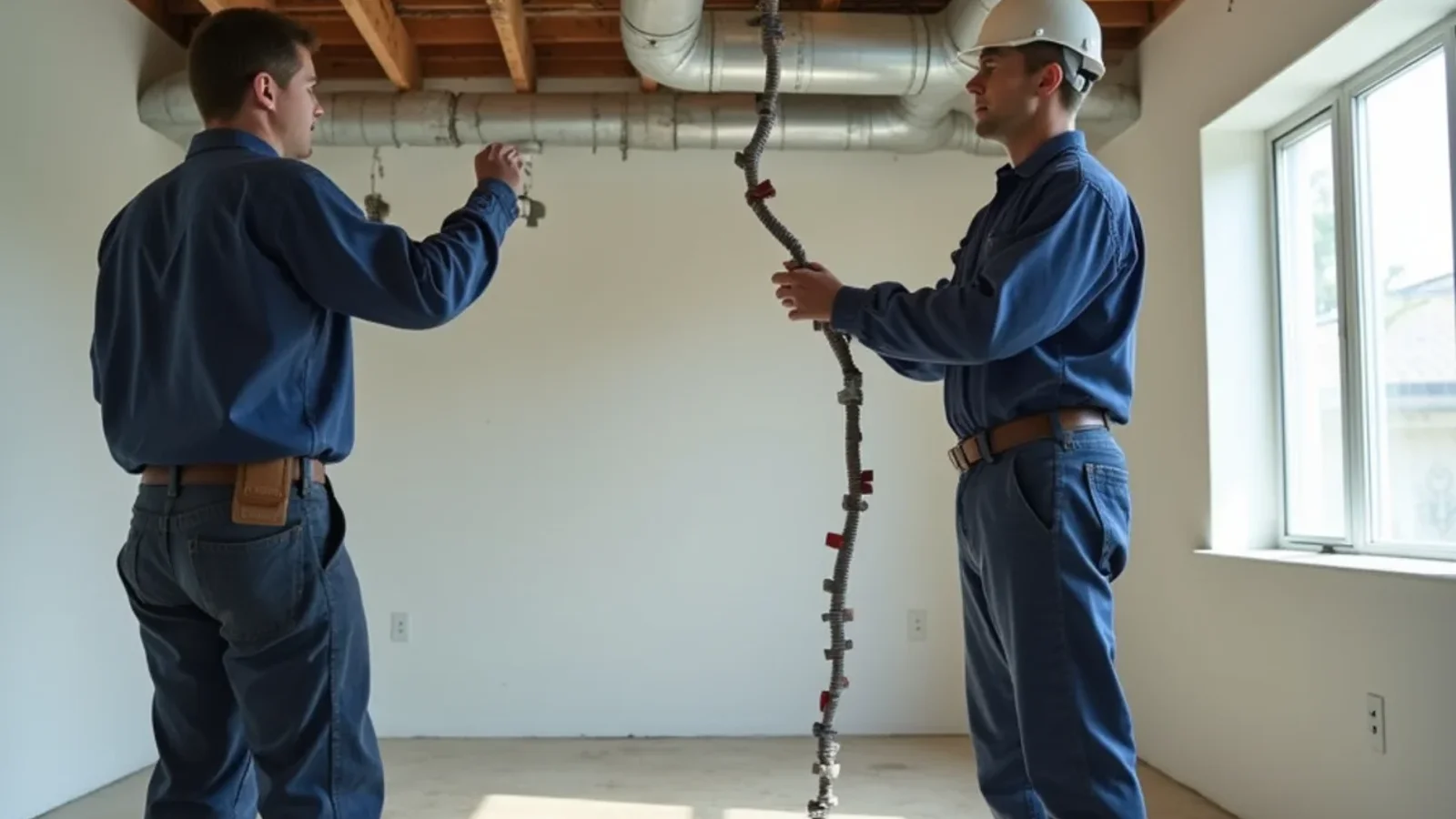
Because the vast majority of Central Florida homes are built on concrete slab-on-grade foundations without basements, HVAC installers routinely position the air handler unit (AHU) inside the attic or in a tight ceiling plenum. This architectural convention suspends a continuous 20-gallon-per-day water generator directly above finished ceilings and expensive living spaces. If the narrow three-quarter-inch PVC condensate drainage line becomes obstructed, that massive daily volume has only one place to go: overflowing into the attic and pouring down through drywall ceilings.
The Anatomy of a Clog: Algae, Bacterial Slime, and Zoogloea Plugs
Homeowners often wonder how a pipe carrying clear condensed water can suddenly plug solid. The answer lies in the microbiology of Florida attics. Ambient attic temperatures regularly reach 120°F to 140°F during summer afternoons, while the condensate line carries cool water rich in organic household dust, skin cells, and dormant fungal spores drawn past the HVAC filter.
This combination creates an ideal incubation environment for zoogloeal bacteria and algae. These microorganisms produce thick, extracellular polysaccharide gelatinous slime that adheres to the inner walls of the PVC pipe, particularly at elbows and inside the P-trap. Over several months, this biological biofilm accumulates into a rubbery, impenetrable plug. When the primary drain line backs up, water fills the internal evaporator coil drain pan and spills into the auxiliary drain pan or directly onto ceiling joists if secondary defenses fail.
Dealing With an Emergency Water Loss Right Now?
Don't let water damage escalate into structural mold. Our Orlando dispatch team operates 24 hours a day, 7 days a week with live response.
Why Float Switches Fail and Secondary Drain Pans Overflow
Modern building codes require backup protections, yet ceiling collapses from AC leaks remain one of the most frequent emergency calls in Central Florida. When catastrophic ceiling failures occur, it is almost always due to the failure or absence of secondary safety controls:
1. Missing or Bypassed Float Switches: A float switch (such as a Safe-T-Switch) is an electronic sensor wired into the HVAC control board that cuts low-voltage power to the condenser when water rises in the drain line. In older homes or unpermitted retrofits, float switches are frequently missing, or older mechanical float switches stick open due to mineral buildup, allowing the AC to run continuously while flooding the ceiling. 2. Rusted or Cracked Secondary Pans: Metal emergency overflow pans corrode over years of high attic humidity, developing pinhole rust perforations. Plastic pans warp under extreme attic heat or crack when technicians step near them during duct servicing. 3. Terminated Secondary Drain Lines: Some secondary lines drain to an exterior soffit, but if that secondary pipe is also clogged with wasp nests or painted shut by exterior contractors, water has no escape pathway except soaking through the attic floor.
The Hidden Hazard: Wet Attic Insulation and Ceiling Drywall Collapse
When an AC pan overflows, the water rarely drips directly onto the ceiling drywall below. Instead, it encounters a 10-to-14-inch blanket of blown-in fiberglass or cellulose attic insulation. This insulation acts like a giant sponge, absorbing dozens of gallons of water without showing immediate signs in the living space below.
As the insulation becomes waterlogged, it exerts tremendous dead weight on ceiling drywall fasteners. A single saturated 4x8 drywall sheet can weigh upwards of 70 pounds. Eventually, the saturated gypsum core softens, fasteners pull through the paper, and an entire ceiling section suddenly crashes downward into living rooms, kitchens, or master bedrooms, destroying furniture, electronics, and risking physical injury. Furthermore, wet cellulose or fiberglass insulation trapped against ceiling joists incubates rampant colonies of Aspergillus and Penicillium mold within 24 to 48 hours. Professional mitigation requires extracting all wet insulation using truck-mounted vacuum collection systems before structural drying can begin.
Emergency Remediation Protocols and Long-Term Prevention
If you observe water staining, sagging drywall, or active dripping beneath an AC ceiling unit, immediate action is essential: First, immediately switch the thermostat to 'OFF' to stop ongoing condensation production. Second, place buckets beneath the damp drywall and use a small nail or screwdriver to pierce the center of any water blister to drain trapped water in a controlled manner. Third, engage a certified water restoration contractor immediately.
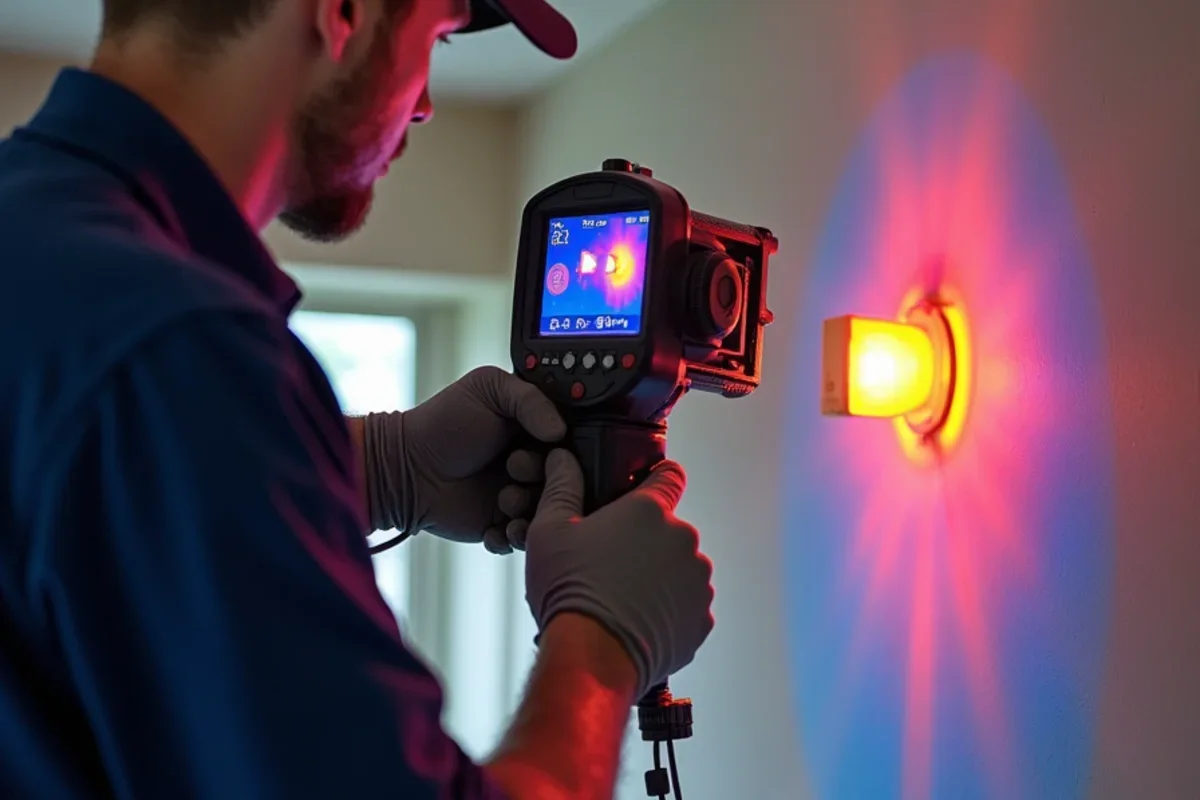
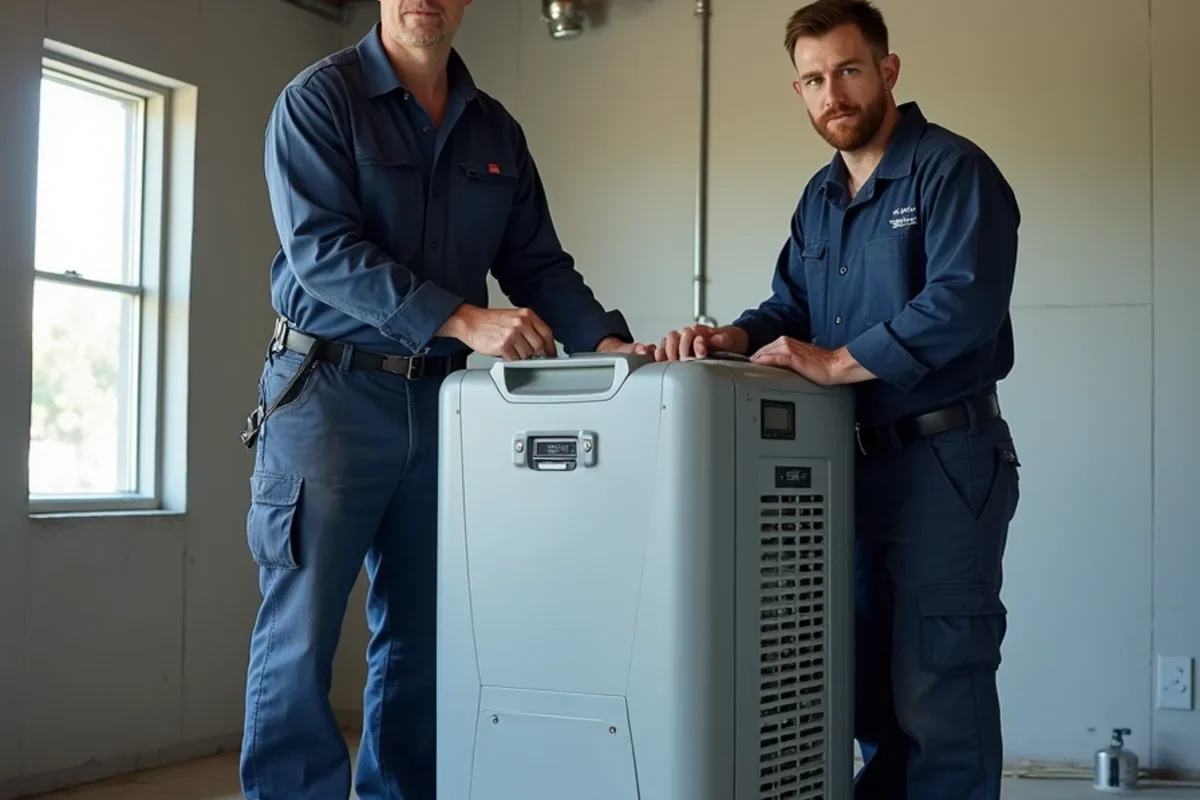
Restoration professionals use non-invasive FLIR thermal imaging to trace the entire migration path of water across ceiling framing and down interior wall cavities. Technicians execute controlled flood cuts, strip saturated insulation, treat joists with botanical antimicrobials, and deploy industrial Low Grain Refrigerant (LGR) dehumidifiers. For long-term prevention, property owners should flush the primary condensate T-pipe monthly with 8 ounces of distilled white vinegar (avoiding bleach, which deteriorates plastic drain pans and PVC cement), install dual magnetic float switches, and schedule annual nitrogen line clear-outs with an HVAC specialist.
Related Restoration Services & Service Areas Mentioned in This Guide
Frequently Asked Questions: ac drain line leak ceiling
Answers to common questions regarding timelines, insurance coverage, and Florida moisture management.
Need On-Site Water Damage Assistance?
Speak with an experienced restoration specialist right now. We dispatch certified technicians 24/7 across Central Florida.